

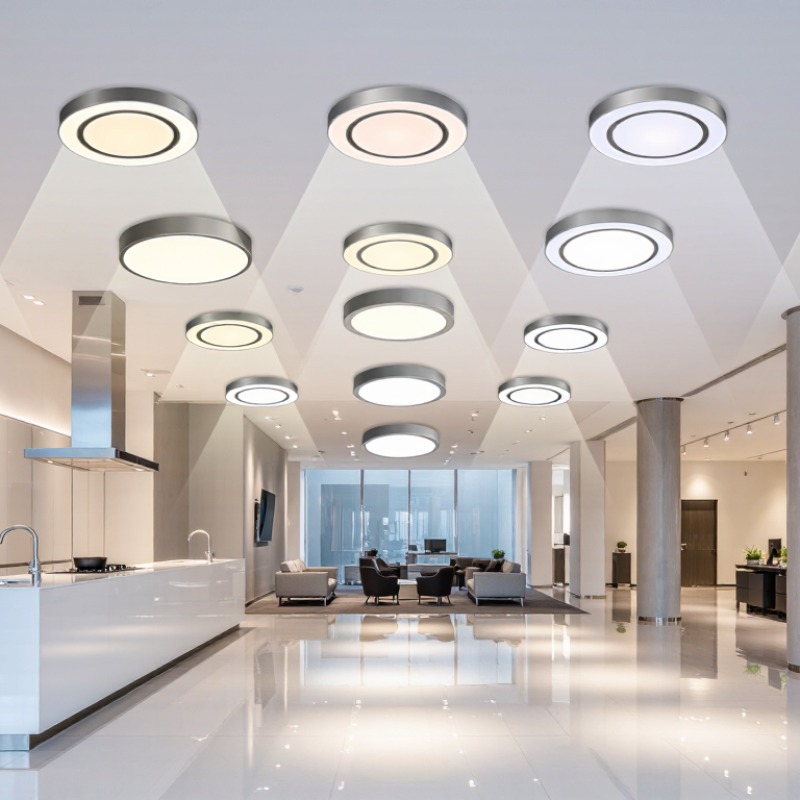
10 Best Smart Downlights for Global Buyers?
A credible shortlist starts with voltage, not app features. I would select ten models accepting 100–240V AC, 50/60Hz, with documented surge protection and replaceable or serviceable drivers. The International Energy Agency identifies efficient lighting and connected controls as practical electricity-saving measures. However, wireless convenience should never replace electrical evidence.
Look for IEC 60598-1 compliance, clear ingress ratings, thermal testing, and regional certification records. A bright sample can still hide a weak driver.
Warranty terms separate serious products from attractive packaging. The ten strongest candidates should offer at least three years, with five years preferred for commercial installations. Check whether the warranty covers the driver, LEDs, power supply, and control module.
Some policies exclude moisture, voltage fluctuation, or installation by non-approved technicians. That is reasonable, but often unclear. Read the exclusions.
The U.S. Department of Energy’s solid-state lighting research highlights efficacy, color quality, and long-term reliability as core performance measures. Therefore, each selected model should publish measured lumens, wattage, color rendering, lifetime testing, and operating temperature.
A practical global shortlist might include adjustable, dimmable, Matter-ready, and IP-rated designs across different ceiling depths. Verify local dimmer compatibility. One overlooked issue is neutral-wire dependence; older buildings may not provide one. Datasheets are useful, but field testing remains better.