
WAREHOUSE & SHOWROOM

15700 Middlebelt Rd
(Between 5 & 6 Mile)
Livonia, MI 48154

(734) 751-4413

HOURS

Now open earlier!
Sunday: 11:00 am – 5:00 pm
Monday: 11:00 am – 6:00 pm
Tuesday: CLOSED
Wednesday: CLOSED
Thursday: 11:00 am – 6:00 pm
Friday: 11:00 am – 6:00 pm
Saturday: 10:00 am – 6:00 pm

2026 Top Side Table Types for Global Buyers?

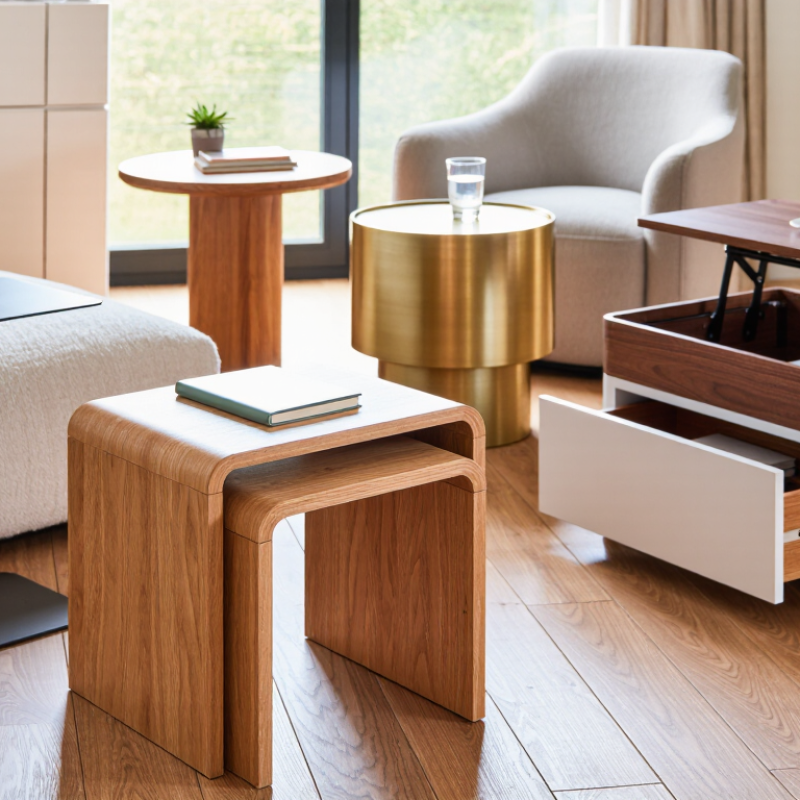
A side table can be a compact accent, a practical work surface, or a small storage solution. For global buyers in 2026, choosing the right type means looking beyond appearance. Nesting tables suit flexible living spaces, while C-shaped designs can slide beside a sofa or bed. Pedestal and drum tables offer a steadier visual presence, and lift-top or drawer models add concealed storage. Each option serves a different use, so a popular silhouette is not automatically the right choice.

Specifications matter. Check tabletop dimensions, base stability, weight capacity, finish consistency, and the materials used in both visible and hidden parts. A slim metal frame may reduce visual weight, but it can still wobble on an uneven floor. Solid wood brings natural variation; engineered panels can support more consistent production. For outdoor settings, confirm that the materials and finish are intended for the exposure expected. Small details count. Ask for clear product measurements, assembly instructions, packaging information, and sample images under ordinary lighting. These checks help buyers compare suppliers on more than price.

Market preferences also vary. A compact apartment buyer may value nesting tables, while a hospitality project may prioritize durability and easy cleaning. There is no single best type for every market, and trend language can make choices sound simpler than they are. That deserves a second look. This guide introduces the leading side table types and the practical questions buyers can use to assess fit, quality, and sourcing suitability in 2026.
2026 Top Side Table Types for Global Buyers?

How Side Tables Are Defined and Classified

Side tables are compact occasional tables placed beside sofas, armchairs, or beds. Their purpose is convenient reach: a lamp, book, cup, or phone can sit within arm’s length. Unlike coffee tables, they usually serve one seat or sleeping space rather than the whole seating area. The boundary is fuzzy. Retailers may use “end table,” “accent table,” and “side table” for overlapping designs, while “nightstand” usually describes a bedside table with storage.

A practical classification starts with placement and form. Bedside tables often include drawers; sofa-side tables may have open shelves or a single top. Nesting tables stack together, C-shaped tables slide over a sofa edge, and pedestal or drum tables use a central base or solid column. Shape alone does not determine use. Check the table’s height against the seat, plus its footprint, stability, and clearance around legs or drawers. Grand View Research estimated the global home furniture market at USD 220.6 billion in 2023, with a projected 5.3% compound annual growth rate from 2024 to 2030. That report covers home furniture broadly, not side tables specifically, so it offers market context rather than a side-table forecast. In buyer specifications, dimensions and intended placement are more reliable than a style label. A small detail, but an important one.

Major Side Table Types by Shape and Structure

Side tables are commonly grouped by shape and structure, not just finish. Round tables soften tight seating layouts and reduce sharp corners in narrow walkways. Square and rectangular designs suit sofas with broad arms, while slim rectangular tops can fit beside beds. A drum table offers a solid, sculptural profile; a pedestal base leaves more visible floor space. Small, but useful. The right choice depends on clearance, reach, and what the table must hold.

Structure changes how a table works. Nesting pairs can be separated for guests, then tucked together to save space. C-shaped tables slide partly beneath a sofa, placing a cup or book close at hand. Three- or four-leg frames are familiar and stable, though uneven flooring can make them wobble. Check top thickness, joint quality, and the base footprint—not just the product photo. Grand View Research estimated the global furniture market at USD 736.6 billion in 2023, but its report covers furniture broadly, not side tables alone. That distinction matters: publicly available market reports rarely classify side tables consistently by shape, so universal rankings would be shaky. Buyers comparing suppliers should request dimensions, load guidance, and finish samples before choosing a structure.

2026 Top Side Table Types for Global Buyers? - Major Side Table Types by Shape and Structure

Side Table Type Shape and Structure Typical Placement Practical Advantages Common Material Options Buyer Considerations
Round Side Table Circular top, usually supported by a central pedestal or three to four legs. Beside sofas, lounge chairs, or beds. No corners; works well in compact layouts and softens angular furniture arrangements. Solid or engineered wood, metal, glass, stone, or combinations. Check top diameter, stability, and whether the base allows comfortable seating access.
Square Side Table Four-sided top with a compact, symmetrical frame; may have open or enclosed storage. Next to sofas, armchairs, or at the ends of a bed. Easy to align with other furniture and suitable for placing in corners or in pairs. Wood, metal, glass, stone, or laminated panels. Compare tabletop size with the available floor area and nearby seating height.
Rectangular Side Table Elongated top on a four-leg, panel, or sled-style base. Alongside long sofas, between two seats, or beside a bed. Provides a longer usable surface while fitting narrow spaces beside furniture. Wood, metal, glass, stone, or mixed materials. Review overall length and depth to avoid restricting walkways or door clearance.
Nesting Side Tables Two or more tables in graduated sizes, designed to slide partly beneath one another. Living rooms and flexible seating areas. Can be separated for extra surface area and nested to save floor space when not in use. Wood, metal, glass, stone, or combinations. Check the dimensions of each table and confirm that the frames nest without rubbing.
C-Shape Side Table Offset top and base connected by a side frame, allowing the base to slide under furniture. Beside or partially over a sofa or chair seat. Brings the tabletop closer to a seated user and uses otherwise open space beneath furniture. Often metal frames with wood, engineered-wood, or glass tops. Measure the furniture clearance needed for the base and check the table’s balance.
Drum or Cylinder Side Table Solid or hollow cylindrical body with a circular top; may include internal storage. Living rooms, reading corners, or beside a bed. Compact footprint and a substantial visual presence; hollow versions can provide concealed storage. Wood, metal, molded materials, stone, or woven materials. Confirm whether the body is open or enclosed and review its weight and moving requirements.
Pedestal Side Table Single central column or stem supports a top and a weighted or cross-shaped base. Next to accent chairs, in corners, or as a small display surface. Open leg area makes it easier to position close to seating and gives the design a visually light profile. Metal, wood, stone, or a combination of a metal stem and solid top. Check the base footprint and load stability, especially for smaller or heavier tops.
Three-Leg Side Table Round, triangular, or other-shaped top supported by three legs. Small living spaces, reading nooks, or beside occasional seating. Three-point support can sit steadily on some uneven surfaces and keeps the base visually simple. Wood, metal, or mixed-material construction. Inspect leg attachment points, floor-contact details, and the rated load where available.
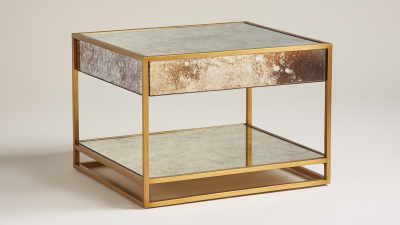
Side Table with Shelf or Drawer Square, rectangular, or round frame with one or more shelves, drawers, or enclosed compartments. Living rooms, bedrooms, and home-office seating areas. Adds storage for books, remotes, or personal items alongside the tabletop. Wood, engineered wood, metal, or mixed materials. Review drawer dimensions, hardware, assembly needs, and access to the storage area.

Note: Dimensions, materials, load capacity, and construction details vary by product. Confirm specifications with the supplier before purchasing.

Side Table Materials, Finishes, and Design Features

Side tables face daily contact: warm mugs, keys, sunlight, and occasional spills. Grand View Research’s 2024 global furniture market report estimated the market at US$677.09 billion in 2023, with projected annual growth of 5.9% through 2030. That broad market figure is not specific to side tables, but it reflects a crowded category where material choice helps distinguish function and feel. Solid wood offers visible grain and can be refinished, while veneer gives a similar surface appearance with less solid timber. Check edge sealing and panel construction; thin veneer can chip if corners take repeated knocks. A small compromise.

Metal frames suit slim profiles and frequent use, but inspect joints and coating quality for scratches or corrosion. Stone tops add weight and a cool, tactile surface; porous varieties may stain unless properly sealed. Matte finishes soften glare and fingerprints, though some show oily marks more readily than expected. Gloss finishes wipe clean but reveal fine scratches under strong light. For humid rooms, ask about moisture-resistant cores and finish care, rather than relying on appearance alone. USDA Forest Products Laboratory’s Wood Handbook explains that wood changes dimension as its moisture content changes, so stable construction and sensible indoor placement matter. Ask suppliers for care instructions and finish specifications. Tiny details matter.

Choosing Side Tables for Different Rooms and Uses

A useful side table starts with the room, not the trend. Beside a sofa, choose a height close to the seat cushion so a drink stays within easy reach. A narrow rectangular table can fit between a sofa and wall, while a round top softens a tight walkway. Measure the space with drawers open, too. That small detail is easy to miss.

In a bedroom, a compact table with a shallow drawer can hold reading glasses, a book, and a charging cable without crowding the bed. For a living room, a nesting pair offers flexible surfaces when guests arrive, then tucks away afterward. Need a table near an entry? Look for a stable base and a wipeable top for keys and damp umbrellas. Materials matter. Wood can feel warm, while metal or glass may suit smaller rooms visually, but each needs care suited to its finish. Check the floor, too: a lightweight table may slide on smooth tile. Measurements help, but they do not capture every awkward corner. Sometimes the best choice takes a second look in the actual room.

Global Buyer Considerations for Side Table Sourcing in 2026

2026 Top Side Table Types for Global Buyers?

Global Buyer Considerations for Side Table Sourcing in 2026

For global buyers, a side table is more than a shape or finish. Check height, load capacity, assembly time, and carton dimensions against the intended market. A 45-centimeter table may suit a low sofa but feel awkward beside a tall armchair. Ask suppliers for material specifications, finish samples, and clear inspection criteria. Small details matter.

Freight costs also deserve early attention. UNCTAD’s Review of Maritime Transport 2024 reported that spot container rates from Shanghai to Europe rose 256% between October 2023 and June 2024. That surge is not a forecast for 2026, but it shows how quickly landed costs can shift. Compare quotes using the same shipping terms, packaging assumptions, and order volumes. Request test shipments where practical. Even careful planning can miss a weak corner joint or a finish that marks easily.

Tips: Photograph samples in natural light. Test both assembly and stability. Confirm carton size before approving production, and leave room for schedule changes. A checklist helps, but it cannot replace checking the actual product.

2026 Top Side Table Types for Global Buyers

Typical side-table height ranges by style (cm)

Dimensions are indicative ranges commonly found in commercial product formats, not universal standards. For sourcing, confirm finished dimensions, packaging size, materials, and load capacity with each supplier; matching table height to the adjacent seat is a useful starting point.