

7 Push Up Bras Buying Tips for Global Buyers
Global buyers face a crowded lingerie market, where product claims can look similar but construction details vary. Grand View Research estimated the global lingerie market at USD 92.88 billion in 2023 and projected a 6.1% compound annual growth rate from 2024 to 2030. This figure covers lingerie broadly, not push-up bras alone, so it signals market scale rather than demand for one specific style. That distinction matters.
For buyers, reliable sourcing begins with measurable details: cup construction, padding thickness, wire placement, strap adjustment, fabric composition, and size charts. A polished product photo cannot confirm whether foam keeps its shape after repeated wear. Ask suppliers for material specifications, consistent measurement methods, and samples across several sizes. Check stitching around the cup and band, too. Small defects show up quickly.
Fit is personal. Very personal. A size label may not translate neatly across brands or markets, and the right level of lift differs by wearer. “Bras Push Up” should therefore be assessed through clear product specifications and real sample checks, not assumed to mean one standard shape. Published market estimates also have limits: methods, coverage, and forecast assumptions can change the picture. The following seven buying tips offer global buyers a practical framework for comparing suppliers, checking quality, and reducing avoidable surprises—while leaving room for a useful rethink when samples do not match the brief.
Understand Push-Up Bra Designs, Padding, and Support Levels
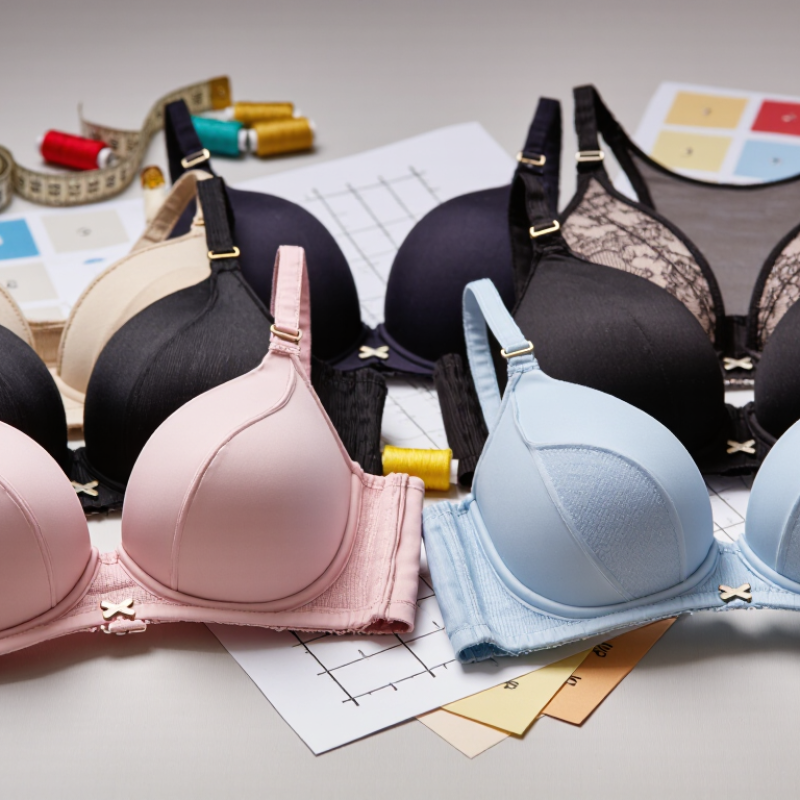
Push-up bras create lift through cup shape, angled seams, and padding placed beneath or along the sides. A gradual inner slope can give subtle shaping, while a deeper plunge suits lower necklines. Some designs draw tissue toward the center; others mainly raise the bust. The difference is easy to miss in product photos. Check side and interior views.
Padding ranges from thin foam to removable inserts or thicker graduated cups. Thin padding can smooth without adding much volume. Thicker pads may change cup fit, especially across sizes. Ask about pad thickness, placement, and whether inserts shift after washing.
Support also depends on band tension, wire shape, strap width, and cup coverage. A soft band may feel pleasant on a hanger, then ride up during movement. Not ideal.
For buyers sourcing across regions, compare garment measurements with the target market’s size chart; cup labels alone can be unreliable. Request fit samples for more than one body shape, then test sitting, reaching, and a full day of wear.
I would not judge support by padding alone. A neat-looking sample can still pinch near the underarm, and that detail is sometimes overlooked.
Identify Target Markets, Customer Needs, and Size Ranges
Before choosing push-up bra styles, map the markets you plan to serve. Compare climate, shopping habits, and preferred coverage through local sales data and customer interviews. In warmer regions, breathable linings and lighter padding may matter more than dramatic lift. In colder markets, customers may value smooth layers beneath knitwear. These are clues, not rules. Ask buyers what they wear daily, what feels restrictive, and which occasions drive purchases. Small details matter. Sizing preferences and product imagery can also vary between audiences. Even careful forecasts miss something.
Build a size range from body measurements, not assumptions based on a single country’s chart. Review bust and underbust measurements separately, then check how cup depth and band tension interact during wear. Test samples on people across sizes, including fuller busts and smaller bands; one fit model cannot validate a full range. Record where straps slip, wires press, or cups gape after movement. A chart still cannot capture every body. Offer a clear measurement guide and explain that sizing may differ between markets. For wholesale planning, compare demand by size before setting order quantities. Track return reasons, too: they may reveal whether the issue is fit, padding, or unclear product information.
Compare Fit, Sizing Systems, Materials, and Construction
Global buyers should compare push-up bras by fit, not by the size printed on the tag. Sizing systems differ, and cup letters do not always represent the same volume across bands. Check each supplier’s measurement chart, then compare underbust and bust measurements in centimeters or inches. Ask for garment measurements and tolerance ranges, too. A chart alone can hide variation.
Fit should be tested in motion. The band should sit level around the body, while the cups contain breast tissue without spilling or gaping. Straps should stay put without carrying the bra’s full weight. The center panel should rest comfortably against the chest where the style allows. Try samples across neighboring sizes. Small changes matter.
Materials and construction affect comfort and consistency. Compare fabric composition, stretch recovery, lining, and padding thickness. Foam that feels firm on a desk may become uncomfortable after hours of wear. Inspect seams around the cups, wire channels, and closures; uneven stitching can create pressure points. Ask how measurements are checked between production runs. I would not assume two colors fit identically without testing them. Wash samples according to care instructions, then check whether bands stretch out or padding shifts. These checks take time, but they make comparisons more useful.
Evaluate Suppliers, Quality Standards, and Customization Options
For global push-up bra sourcing, assess suppliers beyond their sample room. Ask for factory capacity, minimum order quantities, lead times, subcontracting details, and recent quality records. Request current, scope-specific certificates and independent test reports for fabric composition, colorfastness, seam strength, and stretch recovery. ISO 9001 can indicate a documented quality-management system, but it does not prove that a bra fits well.
Customization should be confirmed in a written specification: cup grading, band measurements, padding thickness, strap width, hook-and-eye options, fabric, trims, and packaging. Approve a pre-production sample and define how changes are handled before bulk manufacturing.
Textile Exchange’s Materials Market Report 2024 estimates that global fiber production reached 124 million metric tonnes in 2023, highlighting the scale of material sourcing behind apparel. Ask suppliers to identify fiber content and provide traceability documents for the materials they offer.
A polished sample can still conceal inconsistent bulk production; consider a pilot order and inspect randomly selected pieces against agreed tolerances. That step costs time. Sometimes, it prevents a costly fit problem.
Review Samples, Pricing, Order Terms, and International Shipping
Before placing a bulk order, inspect samples across several sizes, not just the showroom size. Check cup depth, padding recovery, wire comfort, hook alignment, and strap slippage after a wash. A neat sample can still hide a grading problem. Ask whether sample fees are refundable or credited to the order, and request a written size chart with measurement tolerances. Compare quotations line by line: fabric, foam, hardware, labels, packaging, and freight. Confirm minimum order quantities, payment milestones, production lead time, and how defects will be inspected. Small details matter.
Set the shipping term and named destination in writing, then compare the landed cost—not just the unit price. DHL’s 2024 E-Commerce Trends Report found that 81% of surveyed shoppers may abandon a purchase when their preferred delivery option is unavailable. That is a useful warning for buyers planning online resale. Request carton dimensions, gross weight, shipping method, tracking details, and an estimated delivery window before approving production. The National Retail Federation’s 2024 retail returns report estimated that 16.9% of U.S. retail sales would be returned; this is a broad retail figure, not a bra-specific rate. Still, it underlines why clear sizing information and an agreed process for quality issues deserve attention. International transit estimates can slip. Leave room for that.
International Shipping: Typical Transit-Time Planning Ranges
Indicative door-to-door planning estimates for apparel shipments. Actual transit times vary by origin, destination, customs clearance, carrier, and service level.

