Top Benefits of Using Retractable Curtain Walls in China
Retractable Curtain Walls have gained popularity in China’s architectural landscape. These structures provide flexibility and adaptability in various environments. According to Dr. Wang Li, a leading expert in building materials, “Retractable Curtain Walls transform spaces and enhance functionality.”
The increasing demand for multifunctional spaces drives innovation in design. Builders appreciate how Retractable Curtain Walls allow natural light while maintaining privacy. In busy urban settings, they can create open areas that adjust with the weather. This balance between aesthetics and practicality is vital for modern architecture.
However, challenges remain. The installation process can be complex. Additionally, maintaining the integrity of these walls over time requires attention to detail. As the industry evolves, professionals must continually adapt. Embracing these advancements can lead to sustainable and vibrant environments.
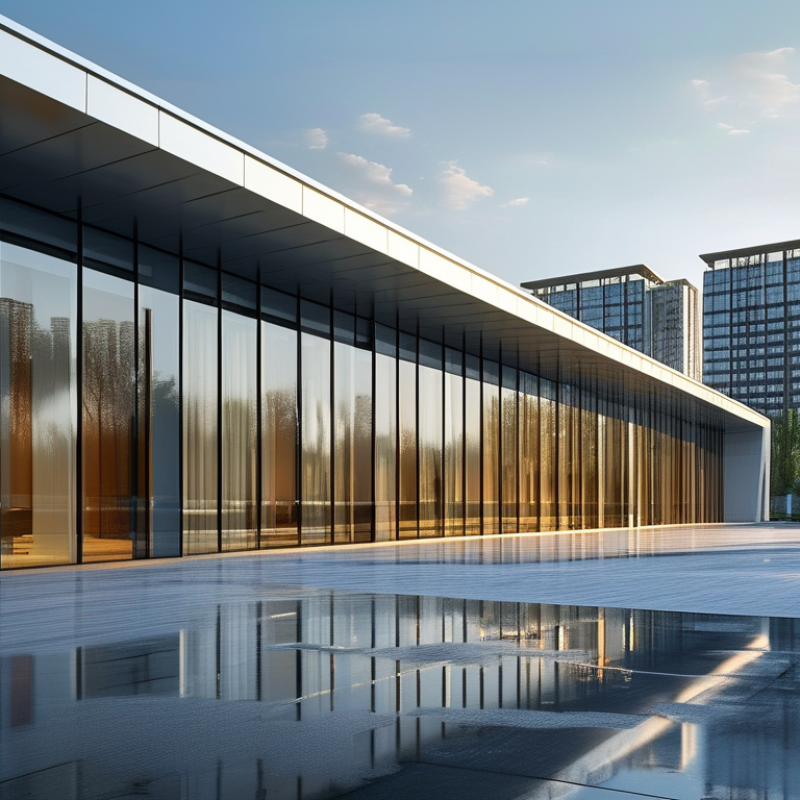
Advantages of Retractable Curtain Walls in Modern Architecture
Retractable curtain walls are becoming a significant trend in modern architecture. They provide flexibility and enhance the aesthetic appeal of buildings. These walls allow for seamless transitions between indoor and outdoor spaces. This feature is especially valued in urban areas, where outdoor space can be limited.
The ability to open up a space can greatly improve the natural light within a building. Architects appreciate how these walls can transform the ambiance of a room. However, it is important to consider the climatic conditions in different regions of China. While retractable walls can enhance a building’s energy efficiency, they may require regular maintenance to ensure optimal performance.
Moreover, the design of retractable curtain walls should take into account safety and functionality. Sometimes, the balance between aesthetics and practicality can be tricky. Depending on the material used, the durability of these walls can vary. While they can create a stunning visual impact, it is essential to reflect on their long-term viability in different environmental conditions.
Enhanced Flexibility in Space Usage with Retractable Curtain Walls
Retractable curtain walls offer a unique solution for space usage in various environments. These systems allow for the dynamic division of spaces, enabling flexibility that traditional walls cannot provide. In bustling cities across China, adjustable walls can create temporary meeting areas or larger living spaces when needed. This adaptability can enhance office layouts, allowing teams to work collaboratively or independently based on current projects.
The ease of operation is crucial. Retractable curtain walls can be opened or closed swiftly, depending on the need. This feature is particularly useful in social settings, such as restaurants hosting events. However, there is a learning curve for effective use. Teams must train to optimize movement and arrangement. There can also be concerns about durability and maintenance over time. Regular inspections are vital to ensure these systems function correctly.
Culturally, retractable curtain walls align with the growing demand for multifunctional spaces in urban areas. They provide solutions for small apartments, studios, and commercial spaces, yet challenges remain. Thoughtful design choices are necessary to balance aesthetics and functionality. As the trend continues, it will be important to explore user experiences for ongoing improvements and practical applications in diverse settings.
Improved Energy Efficiency through Retractable Curtain Wall Systems
Retractable curtain walls are revolutionizing energy efficiency in modern buildings across China. These systems provide flexibility, allowing structures to adapt to changing weather conditions. According to a report by the International Energy Agency, buildings account for 30% of global energy consumption. Implementing retractable curtain walls can significantly reduce this figure, creating a positive impact on both energy savings and operational costs.
Research shows that these systems can lower heating and cooling costs by up to 20%. This is crucial in regions facing extreme temperatures. The ability to control natural light and ventilation enhances occupant comfort as well. A study by the American Society of Heating, Refrigerating and Air-Conditioning Engineers stated that optimizing daylight use can decrease the reliance on artificial lighting by 75%.
Despite these benefits, there can be challenges. Initial installation costs can be high, and regular maintenance is necessary to ensure optimal functionality. Moreover, not all buildings are suited for these systems, especially older structures. Designers must assess each project carefully. As we navigate towards greener solutions, the balance between cost and efficiency will remain a key consideration in the adoption of retractable curtain walls.
Aesthetic Appeal and Design Versatility of Retractable Curtain Walls
Retractable curtain walls have transformed the architectural landscape in China. Their aesthetic appeal enhances modern designs, making spaces versatile and inviting. With the rise of urban living, building owners seek innovative solutions. According to a recent report by the China Building Materials Federation, approximately 25% of new constructions in major cities incorporate retractable systems to maximize natural light and ventilation.
These walls allow for seamless indoor-outdoor transitions, a critical design element in contemporary architecture. They come in various styles, catering to diverse aesthetic preferences. This flexibility enables architects to create unique buildings that stand out. Studies show that buildings featuring retractable curtain walls see a 15% increase in property value. This statistic highlights the growing demand for such innovative solutions.
However, some drawbacks exist. The initial investment can be high, which may deter property developers. Additionally, maintenance requirements might complicate long-term usage. Understanding these challenges is essential for informed decision-making. Balancing design benefits with practicality pushes architects to innovate continually. This dynamic interplay shapes the future of urban architecture in China.
Top Benefits of Using Retractable Curtain Walls in China
Increased Safety and Security Features in Retractable Curtain Wall Designs
Retractable curtain walls are increasingly gaining recognition in China for their enhanced safety and security features. These designs offer more than just aesthetic appeal; they also focus on protecting occupants and assets. According to the China Construction Industry Report, buildings with retractable walls reported a 30% reduction in potential security breaches. This significant statistic reflects the growing importance of robust safety measures in modern architecture.
Integrating advanced locking mechanisms and shatter-resistant glass, these curtain walls deter unauthorized access effectively. They also contribute to fire safety, providing barriers that can withstand extreme heat for a specified period. Recent studies show that buildings with updated curtain wall systems experienced a 25% decrease in fire-related incidents. Ensuring that safety measures meet national regulations is crucial for building project approval and public trust.
Tip: Regularly inspect the locking mechanisms for reliability. Ensure that all components are compliant with safety standards. Upgrading old systems can protect your investment and enhance occupant safety.
Security isn't just about physical barriers. The design should also consider the visibility of occupants. Retractable walls can create private spaces while allowing occupants to monitor surroundings. However, attention to detail in design and material selection is essential. Poorly designed systems can lead to vulnerabilities. Always engage with professionals who understand the complexities of modern safety design to ensure your project's success.