What Are the Best PVC Cabinets for 2026?
Choosing the best Pvc Cabinets for 2026 means looking beyond glossy doors and bold product claims. Kitchens, bathrooms, laundry rooms, and utility spaces place different demands on cabinet materials. PVC-faced or fully PVC systems can handle everyday splashes and wipe clean easily, but performance depends on the core, edge sealing, joinery, and hardware. The label alone tells little.
Details matter. A cabinet beside a sink faces repeated moisture, while one near a stove may encounter heat and grease. Check the manufacturer’s specifications for the cabinet body, door construction, cleaning guidance, and installation requirements. Ask how hinges and drawer slides are rated, and inspect warranty terms for exclusions related to water or heat. For indoor air quality, request relevant product documentation rather than assuming all PVC products are alike. A smooth sample is useful, but it cannot reveal how the edges will hold up after years of use.
This guide compares the features that make a cabinet practical, durable, and suitable for a particular room—not merely attractive in a showroom. It considers construction, storage, finish, maintenance, price, and the credibility of product information. No single option is best for every home. That is easy to forget when a display looks perfect. Measure carefully, compare written specifications, and treat vague claims with caution. Some details may still be difficult to verify before installation, so the guide also highlights questions worth asking suppliers before you commit.
What PVC Cabinets Are and How They Are Made
What Are the Best PVC Cabinets for 2026?
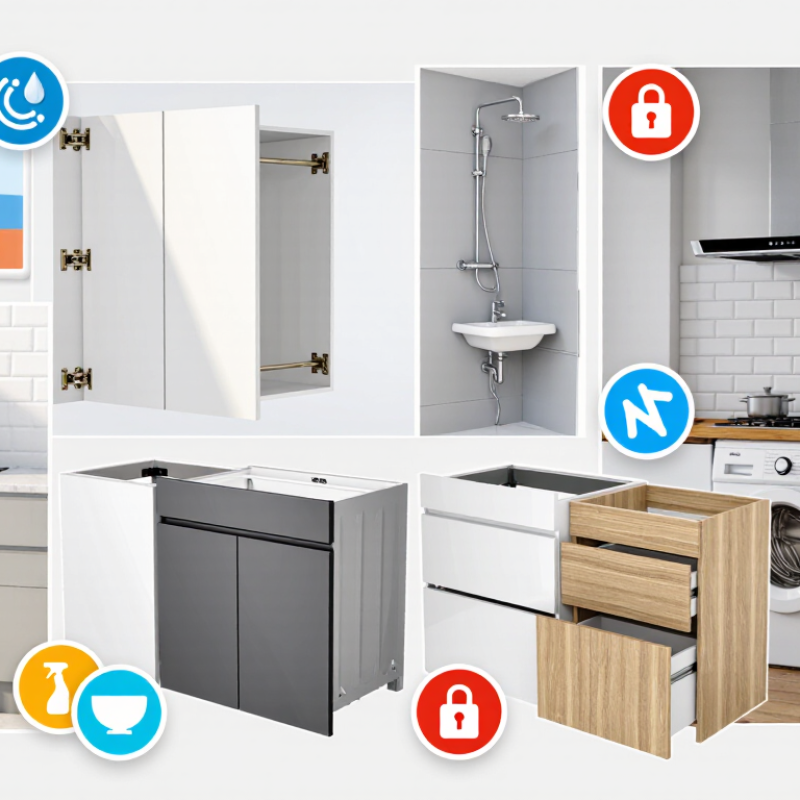
PVC cabinets are made with polyvinyl chloride, but “PVC cabinet” can describe different constructions. Some use solid PVC foam board; others wrap a wood-based panel in PVC film. That distinction is easy to miss. The material, panel thickness, edge sealing, and hardware all affect how a cabinet handles daily use.
To make foam-board cabinets, manufacturers blend PVC resin with additives, form it into sheets, then cut and assemble the panels. Wrapped panels follow another route: a PVC film is bonded over a shaped substrate, often using heat and pressure. Smooth surfaces resist many everyday splashes and wipe clean easily. Still, water can reach vulnerable seams or edges if finishing is poor. Hinges and fasteners matter, too. A sturdy-looking door can hide a weak connection.
Tips: Ask what the panel core is, and inspect the edges and joints. Check hinge attachment and care instructions. Keep expectations realistic: PVC is moisture-resistant, not indestructible. A sample helps, though it cannot show how every cabinet will age.
Key Features That Define a Quality PVC Cabinet
A quality PVC cabinet starts with its construction, not its glossy finish. Check the core panel, door thickness, edge wrapping, and hardware. Sealed edges matter. Poorly bonded film can lift near a kettle or sink, even when the panel itself resists moisture. Ask for the panel’s technical sheet and inspect a sample under bright light. Look for smooth corners, consistent color, and no bubbles or exposed substrate.
The 2024 U.S. Kitchen Trends Study reported that 76% of renovating homeowners upgraded their cabinets. That figure reflects broad demand, not a preference for PVC.
For a fair comparison, assess the complete cabinet: hinges, drawer runners, joints, and finish. The Cabinet Makers Association’s ANSI/KCMA A161.1 standard provides performance tests for cabinet construction and finishes. Ask whether the finished unit—not just its PVC surface—has been tested. Details can be slippery.
In a showroom, open each door and drawer several times. They should move evenly, without scraping or wobbling. Check that shelf supports feel secure and that edges remain covered inside corners. PVC faces are easy to wipe, but harsh cleaners and trapped heat can still damage finishes. I would also ask how repairs work; that part is often overlooked. A beautiful sample helps, but it cannot prove long-term durability.
Types of PVC Cabinets Available in 2026
PVC cabinets in 2026 generally come in three forms: solid PVC foam-board units, wood-based panels with PVC laminate, and doors or profiles wrapped in PVC film. Solid boards suit splash-prone laundry areas and bathrooms. They resist moisture well, but poorly sealed joints can still let water in. PVC laminate offers a smooth, wipe-clean surface over MDF or particleboard. The core, however, may swell if water reaches an exposed edge. Wrapped fronts create a seamless look, though damaged film can peel.
A practical distinction. Grand View Research’s Polyvinyl Chloride Market report estimated the global PVC market at US$76.63 billion in 2023 and projected a 3.9% compound annual growth rate from 2024 to 2030. That is resin-market context, not proof of cabinet demand. When comparing cabinet types, inspect the core material, edge sealing, hinge fixings, and cut-outs around sinks. Ask how the panels are joined, too. I would not call every PVC cabinet waterproof; construction details matter more than the label. A glossy sample can hide a vulnerable edge.
How PVC Cabinets Compare by Use, Durability, and Cost
PVC cabinets suit rooms where moisture is a regular concern, such as laundry areas, bathrooms, and compact kitchens. Their surfaces resist splashes and are easy to wipe with a damp cloth. This is useful when simple cleaning matters more than a wood-like finish. However, quality varies. Thin panels or weak edge sealing may swell, warp, or loosen with prolonged heat or standing water. Check panel thickness, hinges, and seams before choosing.
Tips: Ask for a sample and inspect its cut edge. Compare warranty coverage, installation fees, and hardware—not just the cabinet price. Keep hot appliances away from cabinet sides, and dry pooled water promptly. Small details matter.
For busy kitchens, choose sturdy panels and hinges made for frequent use. PVC is not always cheaper over time if repairs are needed. In rental units or utility spaces, lower maintenance can make a basic option practical. Some people find its smooth appearance less warm than wood. No single material suits every home. Measure carefully, check ventilation, and compare quotes that include fitting. A sample may look different under showroom lights, so consider how the finish appears in your own room.
PVC Cabinets Compared: Use, Durability, and Cost
Indicative material ratings on a 1–5 scale. Higher affordability means lower typical cost.
PVC is a strong option for humid areas because it resists moisture, but heat exposure and impact can affect its performance. Ratings are general comparisons, not standardized test results; actual durability and price depend on board quality, construction, hardware, finish, and location.
How to Choose and Maintain the Right PVC Cabinet
Choosing the right PVC cabinet begins with the room and its daily use. In a humid bathroom, inspect the panel edges, joints, and hardware, not just the smooth surface. PVC can resist moisture, but poorly sealed connections may still let water in. Ask for the board thickness and load guidance before choosing shelves for heavy cookware or cleaning supplies. Check that doors open freely and hinges feel firm. Small details matter.
Measure the space, including doorways and nearby pipes. A cabinet that fits on paper may obstruct a drawer or sit unevenly on a sloped floor. No cabinet is maintenance-free. Wipe it with a soft cloth and mild soapy water, then dry standing moisture near seams. Avoid abrasive pads, strong solvents, and hot pans placed directly against the surface. They can dull or warp some finishes. Check hinges every few months and tighten loose screws gently. I would not assume every PVC cabinet handles heat or sunlight equally well; product specifications are worth checking. A little caution saves trouble.