What is Chenille Embroidery Fabric and How to Use It?
Chenille Embroidery Fabric is gaining popularity in the textile industry. This unique material offers both texture and vibrancy in designs. According to a recent industry report by Textile Insights, the demand for chenille fabric is expected to grow by 20% in the next five years. This growth highlights its appeal among designers and manufacturers.
Expert Robert Lang, a textile analyst, notes, "Chenille Embroidery Fabric provides a tactile experience that enhances any project." His insight reflects the fabric's versatility, suitable for upholstery, clothing, and decorative purposes. Despite its many benefits, there are considerations. The intricacies of care and durability can present challenges for consumers and manufacturers alike.
As the market expands, it becomes essential to understand both the advantages and limitations of Chenille Embroidery Fabric. Embracing its potential while recognizing its imperfections will lead to better usage across various sectors. The journey with this fabric is as much about innovation as it is about learning from past applications.
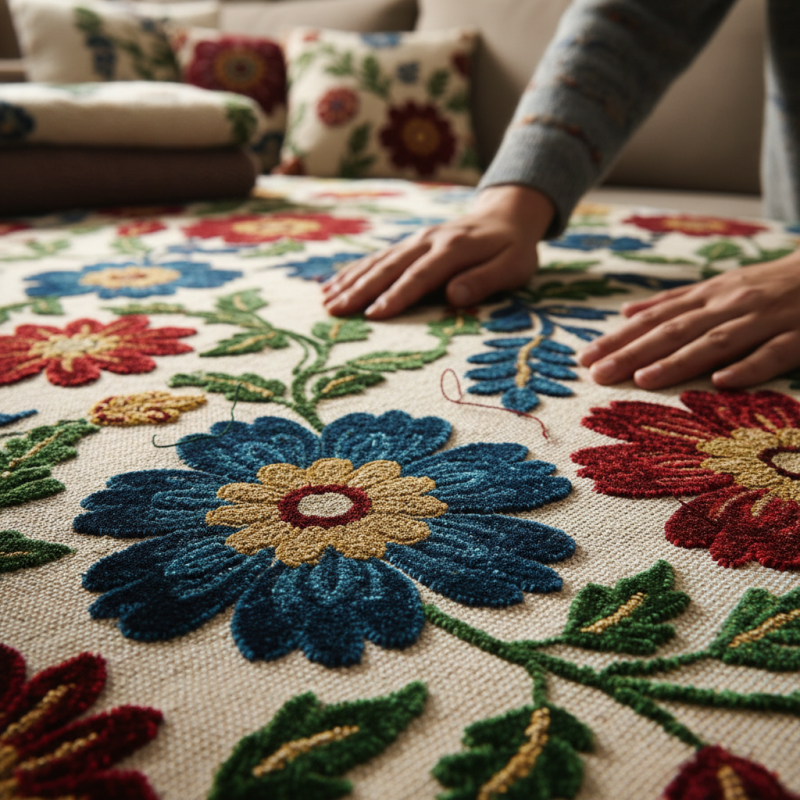
What is Chenille Embroidery Fabric?
Chenille embroidery fabric is a unique textile known for its soft, textured surface. It features a looped yarn that gives a velvety feel. This fabric is often used in home decor items and apparel, making it versatile for various projects. Its plush texture adds a luxurious touch, which can enhance any design.
Using chenille can be challenging. The fabric may fray easily when cut, which requires careful handling. It's essential to use a sharp needle and consider the type of thread for stitching. Simple patterns work best, as intricate designs can become muddled in the texture. Experimentation is key, as not all embroidery designs translate well onto chenille.
Incorporating chenille into your projects invites creativity. It's a great choice for cushions, throws, or even garments. However, it may not always be suited for every project. Take time to assess how the fabric interacts with different designs. Be prepared for some trial and error when working with this interesting material.
History and Origin of Chenille Fabric
Chenille fabric has a rich history that dates back to the 18th century. Its name is derived from the French word for "caterpillar," reflecting the fabric's unique texture. Initially used in rugs and upholstery, it is now popular in clothing and home decor. The process of making chenille involves twisting and weaving soft yarns, creating a plush surface.
As the fabric gained popularity, it evolved into various styles. Artisans from different cultures adapted the technique, adding their own flair. You can find chenille fabrics in vibrant colors and patterns, making it a versatile choice for many projects. It is widely appreciated for its luxurious feel and inviting appearance.
Tips: When working with chenille fabric, use sharp scissors to prevent fraying. Prewash it to remove any excess fibers. Consider pairing it with simpler materials to let its texture shine. Experimenting with chenille can enhance any design project, but remember that its softness may require more careful handling. Embrace the learning curve to master this appealing fabric.
Characteristics and Types of Chenille Embroidery
Chenille embroidery fabric is unique due to its plush texture and vibrant colors. This fabric features a looped yarn that creates a rich tactile surface. Its characteristics make it ideal for various applications, from home decor to fashion. Chenille has a softness that adds warmth to any project. The thickness of the yarn also enhances the durability of items made from it.
There are several types of chenille fabrics. Some are made from cotton, while others use synthetic fibers. Cotton chenille offers breathability and a natural feel. Synthetic options, meanwhile, may provide more vibrant color options and increased durability. The choice of material can impact the final appearance and texture of the fabric. Some projects require a softer drape, while others benefit from a more structured feel.
Using chenille can be complex. Beginners may find the yarn frays easily. It’s vital to handle it gently to avoid damage. Experienced crafters often find joy in the challenges it brings. Experimentation is essential. The unique qualities of this fabric can lead to stunning results with the right techniques. Embracing imperfections in the embroidery process can lead to innovative designs. Understanding these nuances allows for better utilization of chenille embroidery fabric.
What is Chenille Embroidery Fabric and How to Use It? - Characteristics and Types of Chenille Embroidery
| Characteristic | Description | Types |
| Texture | Soft, fuzzy, and plush feel | Standard Chenille, Tailored Chenille |
| Uses | Ideal for upholstery, clothing, and accessories | Fashion Chenille, Home Decor Chenille |
| Durability | High durability with proper care | Heavyweight Chenille, Lightweight Chenille |
| Maintenance | Dry cleaning recommended | Washable Chenille, Non-washable Chenille |
| Appearance | Rich colors with depth due to pile | Printed Chenille, Solid Chenille |
Common Uses of Chenille Embroidery Fabric
Chenille embroidery fabric is a unique textile known for its soft, tufted texture. It creates a plush and luxurious look, making it ideal for various applications. This fabric's versatility extends to home decor, fashion, and craft projects.
Chenille is frequently used in upholstery and cushions. Its softness adds comfort to furniture, while vibrant colors enhance a room's aesthetic. Many people opt for chenille for throw pillows, where tactile appeal is desired. The fabric also works beautifully in quilt making. A chenille quilt can be cozy and visually striking. Creating blankets with this fabric can be a rewarding project, though it requires patience and practice.
When working with chenille, consider these tips. Always pre-wash the fabric to prevent shrinkage later on. Cutting through the tufting can be challenging, so use sharp scissors or a rotary cutter for clean edges. Be cautious with sewing machines; use a walking foot to manage the fabric layers. Remember, chenille can fray, so finishing edges properly is crucial.
Experimenting with chenille can be rewarding. However, the fabric's unique texture can also lead to mistakes. If a project doesn't turn out as expected, reflect on your process. Each attempt is a learning opportunity, helping you refine your skills for future creations.
Tips for Working with Chenille Fabric in Projects
Chenille fabric is gaining popularity in various crafting projects due to its unique texture. However, working with it requires some tips to achieve the desired results. Using a rotary cutter can provide clean edges, but be cautious—it can be tricky for beginners. Chenille can fray easily, so securing edges with a zigzag stitch before cutting is advisable.
When sewing chenille, adjust your sewing machine settings. A walking foot helps prevent slipping. Maintain a slower speed to ensure precise stitching. According to industry reports, about 35% of fabric failures come from improper handling. It’s crucial to iron chenille on low heat to avoid damaging the fibers. Testing on a small patch can save fabric.
Crafting with chenille can sometimes be frustrating. Its plush texture may hide stitching errors. This makes precise alignment essential. Remember, practice is key. Allow yourself room for errors, as they can lead to learning opportunities. Embrace the imperfections; they add character to your creations.