WAREHOUSE & SHOWROOM

15700 Middlebelt Rd
(Between 5 & 6 Mile)
Livonia, MI 48154

(734) 751-4413

HOURS

Now open earlier!
Sunday: 11:00 am – 5:00 pm
Monday: 11:00 am – 6:00 pm
Tuesday: CLOSED
Wednesday: CLOSED
Thursday: 11:00 am – 6:00 pm
Friday: 11:00 am – 6:00 pm
Saturday: 10:00 am – 6:00 pm

How to Choose Smoke Shop Shelves for Global Buyers?

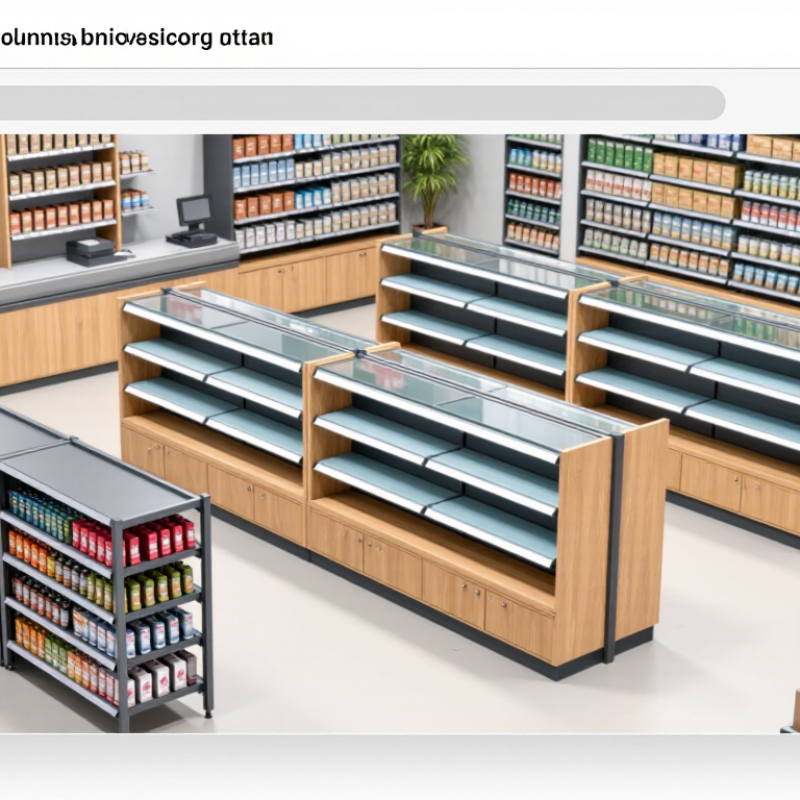
Choosing smoke shop shelves for global buyers requires more than comparing price, color, and delivery time. Shelves must support clear product presentation, safe storage, easy cleaning, and responsible retail operations. A 2024 Grand View Research report on the retail shelving market highlights growing demand for modular, adjustable systems. This matters when stores have different floor sizes, product dimensions, and display standards.

Deloitte’s 2024 Global Powers of Retailing report also emphasizes convenience, efficiency, and adaptable customer experiences. In practice, this means a buyer should inspect shelf depth, load capacity, edge safety, lighting compatibility, and assembly instructions. A narrow metal shelf may suit a compact store. A wider wood-and-glass unit may create a warmer visual experience. Details matter.

Retail behavior expert Paco Underhill once said, “The easier you make it for people to shop, the more they will shop.” His principle applies directly to smoke shop shelves. Products should be visible without creating clutter or confusing navigation. Good shelving guides movement. It does not shout.

Global buyers should also check material certifications, packaging strength, replacement-part availability, and local installation requirements. These factors are easy to overlook. That assumption can fail. A low-cost shelf may become expensive after damaged shipping, unstable assembly, or difficult maintenance. Buyers should compare total ownership costs, not only the initial quotation. I would also test one sample unit before placing a large order. Product photos rarely show every weakness. A practical decision combines supplier experience, documented specifications, user feedback, and local compliance expectations.

How to Choose Smoke Shop Shelves for Global Buyers?

Define Your Smoke Shop’s Product Display and Storage Needs

How to Choose Smoke Shop Shelves for Global Buyers?

Before choosing shelves, define what your shop must display and store. List each legal product category, package size, weight, and sales frequency. Small boxed accessories need different spacing from tall glass pieces or sealed containers. Measure actual packaging, not supplier estimates. A few centimeters can affect the whole layout.

Think about customer movement. High-demand items should sit between waist and eye level, where shoppers can compare them easily. Lockable sections may suit age-restricted products, depending on local regulations. Use sturdy glass, powder-coated metal, or sealed wood surfaces that resist dust and daily cleaning. Shelves should also support safe lighting without creating heat near sensitive packaging.

Tips

Leave at least 20 percent spare capacity. Stores change.

Use adjustable shelves for seasonal stock.

Add clear labels and simple price cards. Keep fragile items away from busy corners and doorways. A common planning mistake is filling every shelf on opening day. It looks efficient, but restocking becomes awkward and the display quickly feels crowded.

I would test one shelf section with real products, customer bags, and cleaning tools before ordering the full system. Check weight ratings, wall fixing options, shipping dimensions, and assembly instructions for your destination market. Requirements differ across regions, and a beautiful fixture may still fail local safety or accessibility expectations.

Compare Shelf Materials, Durability, and Maintenance Requirements

When choosing smoke shop shelves for global buyers, compare materials before appearance. Tempered glass creates a bright, open display and resists daily wiping. However, it can chip at exposed corners during shipping or careless installation. Powder-coated steel handles heavier products and frequent repositioning better. Inspect the coating for scratches, especially around screw holes.

Wood-based panels add warmth and reduce visual harshness. Moisture-resistant laminate is more practical than untreated wood in humid regions. Swollen edges are difficult to repair. Solid wood lasts well, but it needs more consistent sealing and costs more to ship. No material wins everywhere. Climate changes the decision.

Maintenance should match staff routines, not ideal schedules. Smooth surfaces allow quick cleaning with a soft cloth and mild detergent. Avoid abrasive pads, which can dull finishes and weaken protective coatings. Check shelf brackets monthly for loosened screws. A 20-kilogram load may be safe in the center but unstable near the front edge. Use adjustable supports for uneven floors. In dry warehouses, static can attract dust to glass and laminate; regular dusting helps.

Global buyers should also review packaging quality, replacement parts, and installation instructions. Salt air near coastlines can accelerate corrosion on unprotected metal. Temperature changes may loosen fittings over time. Ask for material specifications, load ratings, cleaning guidance, and test documentation. A small sample installation can reveal problems that photographs hide. One overlooked issue is glare from overhead lighting, which can make labels harder to read. Practical testing remains more reliable than choosing by price alone.

Choose Shelf Sizes, Layouts, and Capacity for Different Products

How to Choose Smoke Shop Shelves for Global Buyers?

Choosing shelf sizes starts with the products, not the room. Measure packaged items and leave 20–30% extra space for restocking. Small accessories need shallow shelves, usually 15–25 centimeters deep. Larger boxes may require 30–40 centimeters. Adjustable levels help stores display changing legal product lines without replacing the entire fixture.

Layout affects both visibility and customer movement. Place popular items between eye and chest height, while heavier packages belong on lower shelves. Use wall shelving for vertical storage and island units for featured displays. Keep aisles wide enough for comfortable browsing and local accessibility requirements. Capacity also matters. A shelf should hold its stated load without bending, especially when filled with glass or metal accessories. Test one unit before ordering in bulk. It sounds obvious, but it is often skipped.

Tips: Sketch the shop floor before purchase. Mark doors, counters, power points, and walking paths. Compare usable shelf space, not just external dimensions. Check materials, edge finishes, cleaning needs, and installation instructions. For international shipping, confirm packaging strength and assembly tolerance. Small differences can become expensive. I would also allow some empty space; a fully packed shelf can look crowded and makes stock checks slower. Regulations differ by market, so verify display and labeling requirements with qualified local professionals.

Evaluate Safety, Compliance, and Accessibility for Global Markets

How to Choose Smoke Shop Shelves for Global Buyers?

For global buyers, shelf selection begins with safety, compliance, and accessibility. ISO 7170 evaluates storage units for strength, durability, and stability. Ask suppliers for test records, load limits, and anti-tip options.

The U.S. Consumer Product Safety Commission reported about 22,000 furniture tip-over injuries from 2018 to 2020. That figure covers furniture generally, not retail shelves, but it deserves attention.

A loaded shelf should not sway when customers touch it. Wall anchors, rounded edges, and tempered glass can reduce everyday risks. Small gaps still matter.

Compliance varies by market. Check material safety documents, fire performance requirements, electrical safety rules, and packaging obligations before importing. Do not rely on a generic certificate. It may not cover your destination country.

Accessibility also needs physical testing. The U.S. ADA Standards generally require 36-inch accessible routes and reachable products between 15 and 48 inches above the floor. Other regions use different rules.

Leave clear space around display islands, keep heavy items low, and avoid shelves that block sightlines. My practical mistake was measuring the shelf only, not the customer’s movement around it.

Tips: Request a sample unit before bulk purchasing. Test it with real packaging and uneven floors. Photograph anchor points and record every measurement. Review the installation guide with local contractors. A beautiful shelf can still fail inspection.

Assess Suppliers, Shipping Costs, Customization, and Long-Term Value

How to Choose Smoke Shop Shelves for Global Buyers?

Selecting smoke shop shelves requires more than comparing prices. I assess suppliers through factory photos, material samples, production records, and recent buyer references. A reliable supplier should explain board density, coating durability, load limits, and replacement procedures clearly. Ask for a sample before placing a large order. Small details matter.

Shipping costs can change the real purchase price quickly. Request carton dimensions, gross weight, pallet counts, and delivery terms in writing. Compare sea freight, rail, and air freight according to urgency. Also estimate duties, insurance, port fees, and local delivery. A cheap shelf may become expensive after customs clearance. I once focused too heavily on the unit price and underestimated oversized packaging. That mistake affected the project budget.

Customization should support store operations, not only appearance. Useful options include adjustable shelves, lockable cabinets, cable openings, anti-tip fittings, and moisture-resistant surfaces. Provide accurate floor plans and product dimensions before production begins. Ask whether customization changes the minimum order quantity or lead time. For long-term value, inspect welds, edge sealing, hardware quality, and repair access. Request test reports when available. Five years of service is often more valuable than a lower starting price. Still, durability claims need evidence. Some suppliers provide polished samples but inconsistent production batches, so a pre-shipment inspection is worth considering.

How to Choose Smoke Shop Shelves for Global Buyers? - Assess Suppliers, Shipping Costs, Customization, and Long-Term Value

Assessment Dimension Practical Benchmark Typical Planning Data What Global Buyers Should Verify
Shelf Material Powder-coated steel is suitable for high-use retail environments; laminated MDF or particleboard is generally better for lightweight displays and lower budgets. Recommended
Steel frame with adjustable metal or laminated wood shelves for a balance of strength, appearance, and service life.
Request material thickness, coating specification, edge-banding details, corrosion-resistance information, and close-up product photos.
Load Capacity Retail shelving should be selected according to the weight of packaged products, not only the shelf dimensions. Planning Range
Approximately 30–80 kg per shelf for common freestanding retail units, depending on span, shelf depth, construction, and load distribution.
Ask for tested load capacity, deflection limits, safety factors, and whether the rating applies to evenly distributed or concentrated loads.
Common Shelf Dimensions Dimensions should support product visibility while preserving safe customer circulation. Typical Range
Unit width: 600–1,200 mm
Overall height: 1,500–2,100 mm
Shelf depth: 250–450 mm
Confirm finished dimensions, usable shelf area, aisle requirements, ceiling clearance, and compatibility with the destination store layout.
Supplier Capability A capable supplier should provide consistent specifications, quality-control records, packaging details, and export documentation. Minimum Evidence
Technical drawing, bill of materials, sample approval process, inspection checklist, packaging specification, and previous export experience.
Compare written specifications rather than catalog images alone. Request a pre-production sample or first-article inspection for customized orders.
Quality Inspection Inspection should cover dimensions, welds, coating, hardware, stability, labeling, and packaging. Recommended Control
Pre-shipment inspection after production and before final balance payment, with photos and measurement records.
Define acceptable limits for scratches, color variation, bent parts, missing hardware, uneven doors, unstable bases, and carton damage.
Flat-Pack Efficiency Knock-down or flat-pack construction can reduce shipping volume and improve warehouse handling, but it increases assembly requirements. Cost Factor
Prioritize stackable components, protected corners, standardized fasteners, and clear assembly instructions.
Request packed dimensions, gross weight, cartons per unit, pallet quantity, assembly time, and replacement-hardware policy.
International Shipping Method The best method depends on urgency, shipment volume, destination infrastructure, and tolerance for freight-rate changes. General Guide
Sea freight: lowest cost for larger shipments and longer lead times.
Air freight: faster but substantially more expensive.
Road or rail: route-dependent for regional trade.
Compare Incoterms, port-to-port versus door-to-door service, transit time, customs clearance, inland delivery, insurance, and demurrage exposure.
Freight Cost Planning Freight is influenced by chargeable volume, gross weight, fuel surcharges, seasonality, destination, and service level. Illustrative Planning Basis
For one pallet of retail fixtures, obtain quotes using exact packed dimensions and weight. Use a contingency of about 10–20% when budgeting before booking.
Do not estimate freight from product price alone. Request a written quote showing origin charges, main freight, destination charges, customs handling, and final-mile delivery separately.
Customization Options Common options include dimensions, shelf count, hooks, lighting provisions, signage panels, color, graphics, locking storage, and casters. Typical Impact
Minor changes may affect tooling, packaging, and assembly. Structural changes can require new drawings, prototypes, or load testing.
Confirm minimum order quantity, one-time tooling fees, artwork format, color standard, prototype charges, revision limits, and ownership of custom drawings.
Customization Lead Time Custom production generally takes longer than standard-stock production because approvals and sample development add extra stages. Planning Range
Standard units: often 3–6 weeks after order confirmation.
Customized units: often 6–12 weeks, excluding international transit and customs.
Obtain a milestone schedule covering drawing approval, sample approval, production, inspection, packing, dispatch, and estimated arrival.
Landed Cost The purchase price is only one part of the total acquisition cost. Calculation
Landed cost = product price + packaging upgrades + origin charges + freight + insurance + duties + taxes + customs fees + inland delivery.
Compare suppliers using the same quantity, specification, currency, Incoterm, destination, tax treatment, and delivery scope.
Import Duties and Compliance Duty rates and documentation requirements vary by product classification and destination country. Buyer Responsibility
Confirm the applicable HS classification, country-of-origin marking, commercial invoice, packing list, transport document, and any local safety requirements.
Use a customs broker or local authority for a binding classification decision where the shipment value or regulatory risk is significant.
Packaging Protection Retail fixtures are vulnerable to scratches, crushed corners, moisture, and hardware loss during multi-stage transport. Recommended Standard
Use corner protection, separated metal parts, moisture-resistant inner protection, strong cartons, pallet strapping, and clear carton identification.
Approve a packaging sample and require drop, compression, or handling tests appropriate to the product weight and shipping route.
Warranty and Spare Parts Long-term value improves when wear parts and replacement hardware remain available after the initial shipment. Target Practice
Obtain written warranty coverage, exclusions, claim deadlines, spare-part prices, and expected response times before ordering.
Confirm who pays replacement shipping, how defects are documented, and whether common fasteners, brackets, shelves, and leveling feet can be reordered.
Durability and Maintenance Durability depends on construction, coating, store traffic, humidity, cleaning chemicals, and frequency of relocation. Long-Term Value
Prioritize replaceable shelves, stable leveling feet, corrosion-resistant finishes, accessible fasteners, and surfaces that can be cleaned without damaging the coating.
Evaluate expected service conditions, cleaning instructions, corrosion exposure, movable-part wear, and the cost of replacing individual components.
Payment and Commercial Risk Payment structure should balance supplier cash-flow needs with buyer protection and quality verification. Risk-Control Approach
Use a documented purchase order, staged approvals, inspection evidence, and clearly defined remedies for shortages, defects, or late delivery.
Verify legal entity information, bank-account consistency, invoice details, contract terms, dispute process, and responsibility for non-conforming goods.
Total Cost of Ownership A lower initial price may be offset by higher assembly labor, damage rates, replacement costs, freight volume, or short service life. Evaluation Method
Compare five-year projected cost: purchase + landed cost + assembly + maintenance + spare parts + expected replacement or disposal cost.
Select the option with the best combination of capacity, reliability, logistics efficiency, customization fit, warranty support, and repeat-order consistency.

Note: Cost ranges, dimensions, capacities, and lead times are planning benchmarks only. Final values should be confirmed through a product drawing, approved specification, destination-specific freight quotation, customs assessment, and written supplier agreement.