How to Choose the Best Chenille Velvet for Your Projects?
Choosing the best Chenille Velvet for your projects can be crucial. This fabric is known for its soft texture and vibrant colors. According to the Market Research Future report, the global velvet fabric market is projected to reach $1.7 billion by 2025. This indicates a growing demand for high-quality fabrics like Chenille Velvet.
When selecting Chenille Velvet, consider its durability and style. Not all Chenille Velvets are the same. Some may wear down quickly, while others maintain their beauty over time. Look for options with high fiber content for better resilience. It’s also important to assess the fabric's weight and pile, as these can affect the final look and feel of your project.
Unfortunately, many overlook these details when choosing fabrics. This may lead to unsatisfactory results in their projects. Therefore, take the time to research various suppliers and product specifications. An informed choice can make all the difference in achieving the desired aesthetic and longevity.
Understanding Chenille Velvet: Types and Characteristics
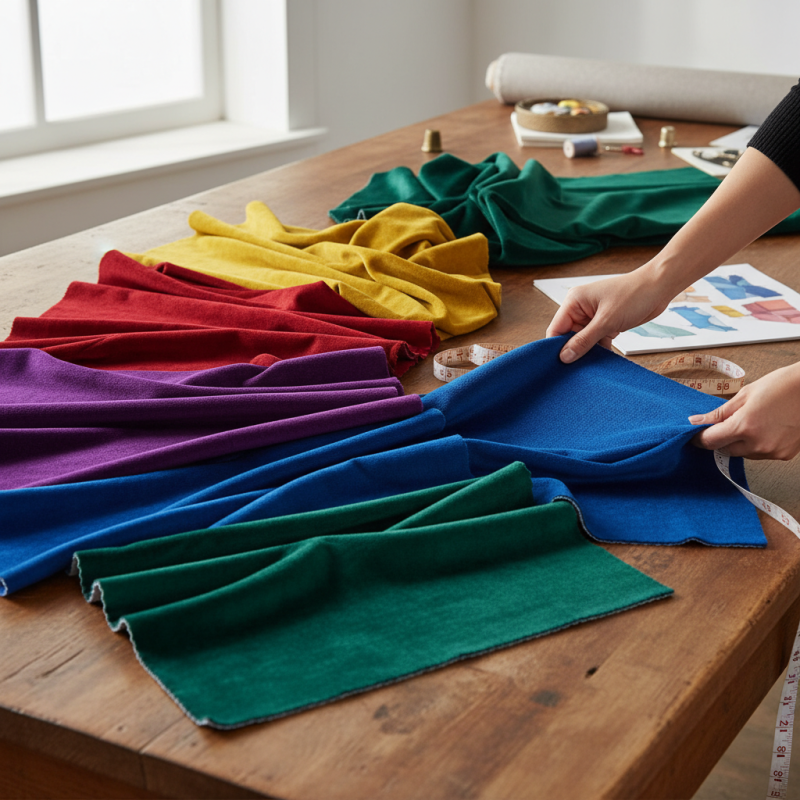
Chenille velvet is a luxurious fabric known for its soft texture and rich depth. Understanding its types and characteristics is key to selecting the best for your projects. There are various chenille velvet types, including cotton, polyester, and blends. Each type offers unique durability and feel, which influence their applications.
Cotton chenille provides breathability and is ideal for upholstery. Polyester options are often more affordable and stain-resistant. Blends combine properties, giving versatility. According to a recent textile study, 35% of designers prefer cotton for its natural feel. However, it may fade faster than synthetic options. On the flip side, while polyester is durable, it could lack the luxurious touch many seek.
**Tip:** When choosing chenille, consider the application. For heavier use, polyester might be ideal. If comfort is key, opt for cotton.
Chenille's texture also varies. Some have a smooth finish, while others offer a more textured feel. A study found that 60% of consumers favor the plush variety for comfort. However, textures can be subjective, and what feels great to one might not resonate with another. Experimentation is essential.
**Tip:** Always order samples before committing to a large purchase. This helps ensure the texture and color meet your needs.
Evaluating Fabric Weight and Texture for Your Project Needs
When selecting chenille velvet for your projects, fabric weight and texture are crucial factors. The weight of the fabric significantly impacts its drape and durability. For heavier projects, a medium to heavyweight fabric (8-12 ounces per linear yard) is ideal. Thinner options, around 5-7 ounces, work well for lighter applications like cushions or clothing. According to the Textile Industry Research Association, fabric weight is a reliable indicator of quality.
Texture plays a vital role in how chenille velvet interacts with light. The plush pile gives a rich, luxurious look. A tighter pile will feel softer and hold up better in high-traffic areas. Conversely, looser piles can look inviting but may wear more quickly. A study from the Fabric Analysis Research Institute indicates that textures affect not only the aesthetic but also the tactile experience of the finished product.
Tips for choosing the right fabric include checking samples in natural light. This helps assess texture and color accurately. Additionally, consider the intended use of your project. For upholstery, prioritize durability. For drapery, focus on weight and flow. Pay attention to how a fabric feels and moves; real-world application often reveals unexpected challenges. Combining these insights will lead to better choices for your specific needs.
Considerations for Color and Pattern Selection
Choosing chenille velvet for your projects involves careful thought on color and pattern. The right selection can bring your vision to life. It’s not just about what looks good; it’s about harmonizing with your space.
When selecting colors, consider the mood you wish to create. Darker hues can add depth, while lighter shades instill brightness. Keep in mind that certain colors may appear differently in various lighting. Test samples in your intended environment to see how they transform.
Patterns can provide character to your project. Opt for bold designs to make a statement, but balance is key. Large patterns can overwhelm a small space. In contrast, subtle patterns may not stand out enough. Think about scale and proportion.
Tips: Always have a swatch with you. This helps ensure your choices complement other elements around. Pay attention to texture. The softness of chenille velvet can influence how colors are perceived. Don't rush the decision. Reflect on your choices and how they feel together. Each detail plays a role in the final outcome.
Assessing Durability and Care Requirements
When selecting chenille velvet, durability should be top of mind. This fabric is known for its softness and aesthetic appeal. However, not all chenille velvets are equally resilient. Look for fabrics that are tightly woven. A tighter weave often indicates strength and longevity. Consider heavy-duty options if your project involves regular use. The weight of the fabric can also impact its durability.
Care requirements are crucial when choosing chenille velvet. Many fabrics require special cleaning. Some can be machine washed, while others need professional dry cleaning. Always check the care label before making a decision. If maintenance is a concern, opt for smaller projects initially. This allows you to understand the upkeep without investing too much time or money.
Visible wear may emerge in high-touch areas. Evaluate how the fabric reacts to daily use. Test samples in your environment where they’ll be used. These steps can uncover potential issues. Choosing the right chenille velvet balances your project’s needs with long-term usability.
Tips for Sourcing and Purchasing Quality Chenille Velvet
When sourcing chenille velvet, understanding fiber content is crucial. High-quality chenille velvet typically consists of cotton or polyester blends. Fiber content significantly affects durability and texture. According to industry reports, consumer satisfaction is often linked to fabric quality. Look for suppliers who provide detailed fiber composition data.
Consider fabric weight, too. Heavier weights often indicate better quality. A reputable textile report states that fabrics weighing over 300 gsm usually offer superior durability. However, heavier fabrics can be harder to work with, especially for intricate projects. Assess your specific needs. Sometimes, lighter fabrics can suffice for draped furnishings or apparel.
Always request fabric samples before purchasing. This step allows you to evaluate color, texture, and overall feel. Experts suggest that buyers compare samples from multiple suppliers. This practice not only ensures quality but also helps in price negotiations. While many suppliers claim to provide premium fabrics, not all can back it up. Trust your instincts and look for signs of quality, such as consistent texture and even color.