How to Choose the Best Solid Color Down Duvet for You?
Choosing the right bedding can significantly impact your sleep quality. Solid Color Down Duvet is a popular choice among consumers. According to a recent industry report from the National Sleep Foundation, 70% of people find better sleep with quality bedding. This suggests a direct link between duvet quality and overall sleep satisfaction.
When selecting a Solid Color Down Duvet, consider several factors. The fill power, for instance, measures insulation quality. A higher fill power implies better warmth with less weight, enhancing comfort. Research indicates that higher fill power can result in more restful sleep, but these options may come with a higher price tag.
However, not all Solid Color Down Duvets are created equal. Some may lack adequate breathability, leading to discomfort. Others might not provide the promised warmth. These aspects are crucial and warrant careful evaluation. It is essential to invest in a duvet that fits your personal preferences and needs. Doing so can enhance your sleep experience and overall wellness.
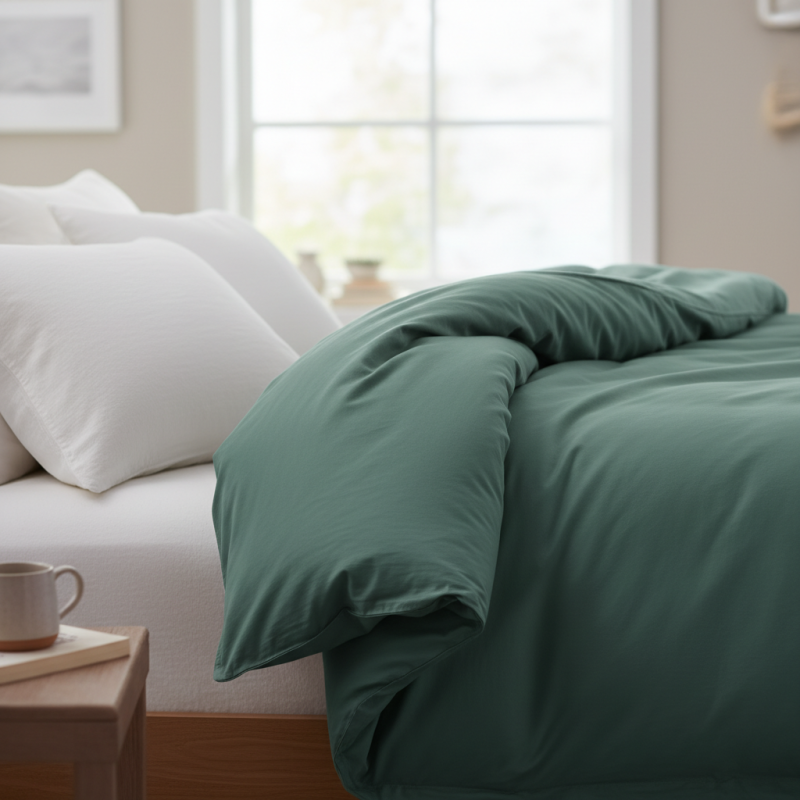
Understanding Down Duvets: Types and Materials Explained
Understanding down duvets is essential when choosing the right one for your needs. There are various types of down available, each influencing warmth, weight, and comfort. Goose down is known for its loft and durability, whereas duck down is often more affordable but might not provide the same level of warmth. According to a report by the Home Textiles Association, high-quality down duvets can retain warmth without excessive weight, making them a popular choice.
The fill power of down is another key factor. With a higher fill power rating, such as 600 to 800, you get more insulation without added bulk. This allows for luxury and ease of handling, especially in seasonal changes. However, not all down is created equal. Some products may contain a blend of feathers, which can compromise the loft and warmth. The “down cluster” quality varies widely. Some manufacturers may use lower-quality down, leading to premature flatness and lack of insulation.
In terms of outer materials, cotton is often favored for breathability and comfort. Various completion ratios, such as 100% cotton or cotton blends, affect the duvet's feel. While this choice enhances overall comfort, it could lead to misunderstandings. A duvet with a high thread count may not guarantee better breathability. Always check the specifications. Industry recommendations indicate that investing in a good duvet can lead to better sleep, but buyers must remain aware of potential overselling.
How to Choose the Best Solid Color Down Duvet for You?
| Duvet Type | Fill Power | Material | Weight (lbs) | Thread Count |
| All-Season Down Duvet | 600 | White Duck Down | 5.5 | 400 |
| Winter Down Duvet | 800 | Goose Down | 8.0 | 600 |
| Summer Down Duvet | 500 | Siberian Goose Down | 4.0 | 300 |
| Lightweight Down Duvet | 650 | Bird Down | 3.5 | 350 |
Key Factors to Consider When Choosing a Solid Color Down Duvet
Choosing the right solid color down duvet involves several key factors. The fill power is crucial. Generally, fill power ratings range from 500 to 800. A higher rating means better insulation. Research indicates that a fill power of 600 provides sufficient warmth for most seasons. However, too high a fill power can lead to overheating.
Another aspect to consider is the duvet’s weight. Heavier options can feel comforting for some, but they may restrict movement. A report from the Sleep Foundation found that an optimal weight can help improve sleep quality. Additionally, the fabric used in the duvet cover can also affect comfort. Cotton is breathable, while silk provides a luxurious feel. However, high-thread-count fabrics may be less breathable.
Lastly, it's essential to think about maintenance. Many duvets require special care, affecting longevity. Choosing a machine-washable option could save time and effort. Pay attention to the care instructions before purchasing. A duvet may appear perfect but could become cumbersome over time if maintenance is overlooked. Each of these factors contributes to making the right choice. Consider them carefully.
Evaluating Fill Power and Insulation for Optimal Warmth
When selecting a solid color down duvet, understanding fill power and insulation is crucial. Fill power refers to the quality of the down used. Higher fill power ratings, typically between 600 to 800, indicate greater loft and better insulation. A duvet with a fill power of at least 600 can keep you warm during chilly nights. Reports from bedding experts show that a higher fill power duvet is lighter and more compressible, allowing for better temperature regulation.
Insulation is another essential factor. It determines how effectively the duvet traps heat. A duvet with good insulation prevents warmth from escaping. According to industry studies, a high-quality down duvet can save energy by allowing you to lower your thermostat. This may reduce heating costs but also raises mindfulness about energy use.
However, the choice is not always straightforward. Some may find that higher fill power duvets can feel overly warm or cumbersome for their needs. Personal comfort varies, and not everyone prefers the same level of insulation. Reflecting on your sleeping habits and temperature preferences is essential. A duvet is an investment that should enhance your sleep experience, so it's vital to evaluate these factors carefully.
Choosing the Right Fabric for Your Duvet's Outer Cover
When selecting a solid color down duvet, the choice of fabric for the outer cover is crucial. Fabrics can greatly influence both comfort and durability. Cotton is a popular choice. It’s breathable and soft, enhancing sleep quality. However, not all cotton is equal. Look for high thread counts for greater durability.
Another excellent option is microfiber. This synthetic fabric is resistant to allergens and easy to maintain. It provides a smooth finish and often feels lighter. Yet, some may find it less breathable, leading to discomfort in warmer seasons.
Experiment with different fabrics; you might find unexpected favorites. Consider how each fabric reacts over time. Some may wear out or lose their sheen. Colors in certain fabrics may fade sooner than others. Reflect on your own preferences for warmth and softness in relation to fabric. Ultimately, it’s about finding a balance that suits your sleeping habits and personal style.
Care and Maintenance Tips for Longevity of Your Duvet
Caring for your solid color down duvet is essential for its longevity. According to industry reports, proper maintenance can extend the life of your duvet by up to 50%. Start with regular fluffing to maintain its loft. This simple step helps prevent clumping and keeps the insulation evenly distributed.
Washing your duvet can be daunting. Most professionals recommend washing every 6 months. Use a large-capacity washer to avoid damaging the filling. Opt for a gentle detergent without bleach. After washing, dry it thoroughly to prevent mold. Experts suggest using dryer balls to maintain fluffiness during the drying process.
Storage is another critical aspect. Keep your duvet in a breathable cotton bag when not in use. Avoid plastic, as it traps moisture and can lead to odors. Also, be mindful of temperature and humidity levels in your storage area. Industry professionals recommend maintaining a cool, dry space for optimal preservation. Neglecting these care tips may result in a shortened lifespan for your duvet.