How to Choose the Best Toilet Brush for Your Business?
A Toilet Brush may seem like a minor purchase, but it plays a visible role in keeping business restrooms clean and ready for use. Staff may handle it several times each day, so grip, bristle shape, and holder design deserve more attention than appearance alone. An awkward brush can slow routine cleaning. Small details matter.
Different sites have different needs. A café restroom with steady visitor traffic may call for a durable, easy-to-rinse model, while a small office may value compact storage and straightforward replacement. Neither setting needs the same answer. This guide looks at practical factors that help narrow the choice, including brush-head shape, handle length, material, storage, cleaning routine, and replacement cost. It also considers how the brush fits into everyday work, rather than relying only on product descriptions or a low purchase price.
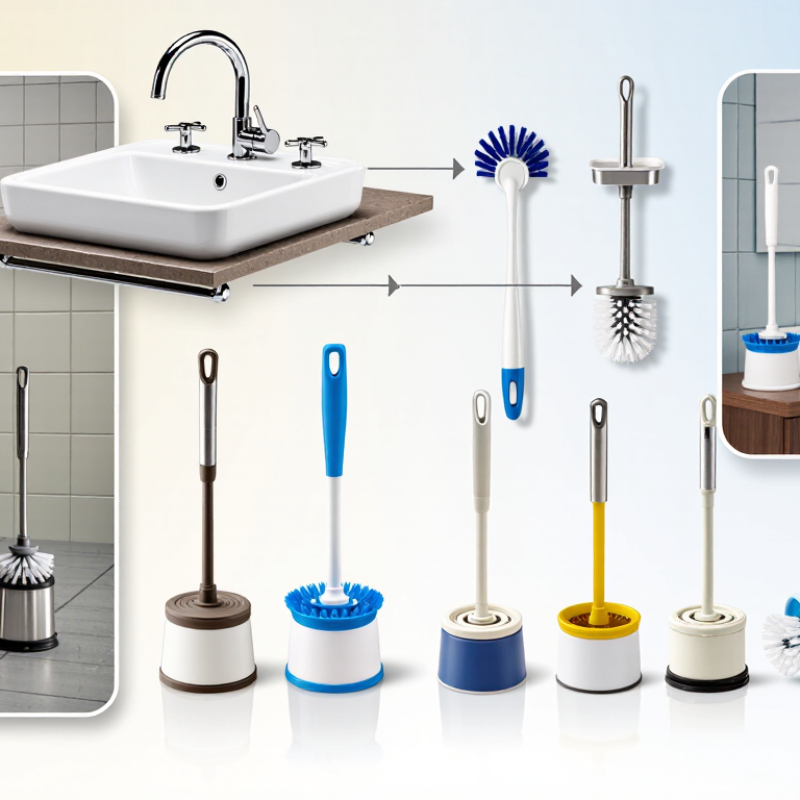
Before ordering, check whether the head can reach beneath the rim and around the bowl’s curves. Look at how securely the brush sits in its holder, and whether the holder allows it to dry between uses. Ask cleaning staff what feels comfortable in their hands; their feedback may reveal problems a product photo cannot show. Product claims can be useful, but they should be checked against the design and your actual requirements. The cheapest option may seem sensible, until frequent replacement makes it less attractive. There is no perfect brush for every business. A thoughtful choice balances usability, upkeep, and budget, then leaves room to reassess after staff have used it.
Assess Your Business’s Cleaning Needs and Restroom Traffic
Assess daily restroom traffic before choosing a toilet brush. A café near a transit stop may see sharp lunchtime peaks, while an office restroom stays busy throughout the day. Count users or restroom visits for a week. Note when bowls need attention, how quickly brushes dry, and whether staff can reach the storage holder easily. A simple log is imperfect; busy shifts can skew the count. Still, it beats guessing.
Customer expectations matter, too. Bradley Corporation’s 2023 Healthy Handwashing Survey found that 64% of Americans would avoid a business in the future if its restrooms were dirty. That figure reflects perceptions, not brush performance, but it shows why routine cleaning matters. For high-traffic restrooms, consider a durable brush with firm bristles, a ventilated holder, and a handle staff can grip with gloves. For lighter use, a compact brush may fit a narrow cabinet. Check the bowl shape as well: a head that misses beneath the rim leaves residue behind. That small detail gets overlooked. Record cleaning frequency and replacement dates, then adjust if bristles bend, odor lingers, or cleaning takes too long. A weekly review may reveal a better fit.
How to Choose the Best Toilet Brush for Your Business? - Assess Your Business’s Cleaning Needs and Restroom Traffic
Use traffic levels as planning estimates, then adjust the cleaning schedule to match observed use, soil levels, and local hygiene procedures.
| Business setting | Typical restroom traffic | Cleaning needs | Brush features to look for | Holder and storage | Suggested inspection and cleaning plan |
|---|---|---|---|---|---|
| Small office | Low to moderate; a limited number of staff and visitors | Routine bowl cleaning and reliable access for the cleaning team | Durable nylon or polypropylene bristles; an angled head for reaching beneath the rim; a handle long enough to keep hands away from the bowl | Stable holder with ventilation and a removable, cleanable drip tray | Inspect during the scheduled restroom check; clean and disinfect the brush and holder according to product instructions and workplace procedures |
| Restaurant or café | Moderate to high, with visitor numbers that can vary by service period | Frequent checks for visible soil, odors, and supply or fixture issues | Commercial-grade bristles that hold their shape; a sturdy handle and head that can be rinsed and inspected easily | Easy-to-clean holder placed in a designated janitorial area rather than where it can contact clean supplies | Check at regular intervals during operating hours; clean the brush after use and follow the site’s documented restroom sanitation routine |
| Retail store or shopping center | Moderate to high; may increase during busy shopping periods | Consistent cleaning across multiple checks and quick replacement of worn equipment | Replaceable brush head or an easy-to-replace complete unit; clearly identifiable, color-coded handle if the site uses a color-coding system | Covered or partially enclosed holder that contains drips while allowing the brush to dry between uses | Use a written check schedule based on foot traffic; record checks and replace brushes when bristles are loose, bent, or difficult to clean |
| School or childcare facility | Moderate to high, often concentrated around breaks and transitions | A clear separation between toilet-cleaning tools and other cleaning equipment | Sturdy handle, secure head, and durable bristles; use a dedicated, labeled brush for each assigned area | Secure storage in a staff-only janitorial space, away from children and clean supplies | Inspect at planned intervals and after reported spills; clean, disinfect, and store tools according to facility procedures |
| Gym or fitness center | High at peak times; multiple users may share facilities in quick succession | Frequent fixture checks and a cleaning tool that remains easy to rinse and maintain | Robust, non-slip handle; firm synthetic bristles; replaceable head where compatible with the facility’s maintenance process | Stable holder with a removable insert or tray that can be cleaned separately | Increase checks during peak periods; rinse after use, allow the brush to drain, and follow the cleaning product’s label directions |
| Healthcare or care facility | Varies by unit and operating schedule; use facility-specific traffic records | Strict adherence to infection prevention, environmental cleaning, and equipment segregation procedures | A tool type approved by facility policy; consider single-use options only when required by the site’s protocol and waste-management plan | Store and label in accordance with facility policy; keep toilet-cleaning equipment separate from other tools | Follow the facility’s written schedule and approved disinfectant instructions; do not substitute general recommendations for infection-control policy |
Selection check: Choose a brush that fits the bowl shape, is comfortable for staff to use, can be cleaned and stored safely, and can be replaced when worn. Set inspection frequency using observed traffic and your organization’s hygiene procedures.