How to Choose the Best Velvet Chenille Fabric for Your Needs?
Choosing the right Velvet Chenille Fabric can make a significant difference in your home décor projects. According to renowned textile expert Jane Simmons, “The right fabric brings not only style but also comfort to your space.” This highlights the importance of understanding your needs when selecting Velvet Chenille Fabric.
Velvet Chenille Fabric is known for its softness and durability. It is used in everything from upholstery to curtains. Selecting this fabric requires a keen eye for quality and texture. Different colors and patterns can transform the ambiance of a room. However, not all suppliers offer the same level of quality, which can lead to disappointment.
When looking for the best Velvet Chenille Fabric, consider its weight and pile. A heavier weight often indicates durability. Softness is also critical when evaluating options. As stylish as it can be, poor choices in fabric can result in an unsatisfactory outcome. Therefore, take the time to reflect on your options and make informed decisions.
Understanding the Characteristics of Velvet Chenille Fabric
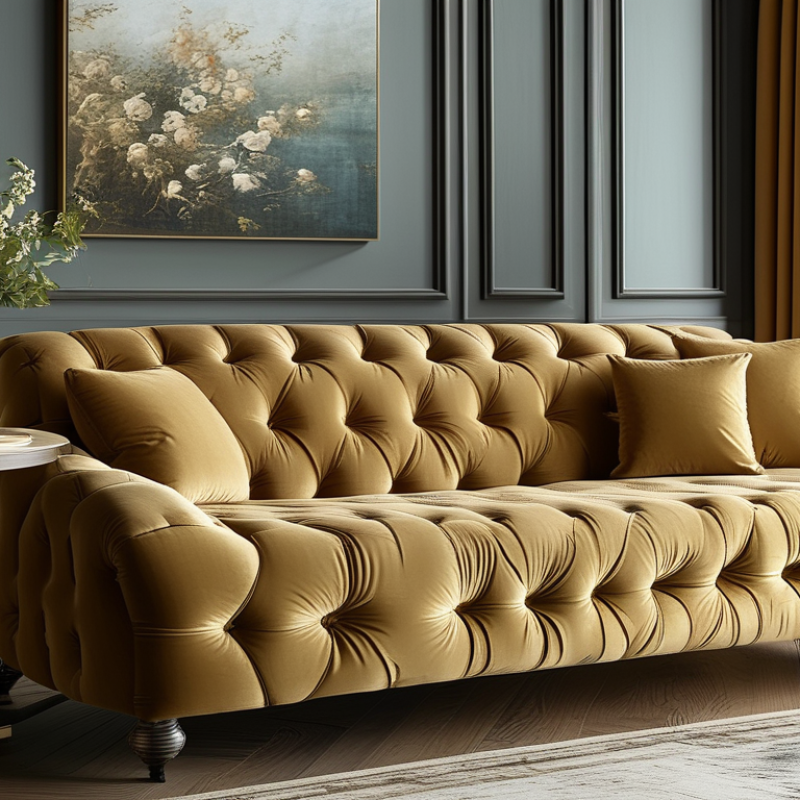
Velvet chenille fabric stands out due to its unique texture and visual appeal. Understanding its characteristics is crucial when selecting the best type for your projects. This fabric, primarily made from polyester or cotton, offers a luxurious touch and a soft, velvety surface. According to a study by the Textile World, velvet chenille provided 30% more durability than traditional cotton fabrics, making it an excellent choice for upholstery.
Additionally, the fabric is known for its warmth. It is highly cozy, which makes it an attractive option for colder climates. However, this warmth can also mean that the fabric may retain heat, leading to discomfort in warmer environments. The average breathability rating of velvet chenille is around 280 grams per square meter, which is lower than some alternatives. This factor should be considered to avoid issues with overheating.
Maintenance is another vital aspect to reflect on. Velvet chenille can be challenging to clean. Many care guides recommend professional cleaning to preserve its quality. Ignoring this might lead to fading or wear. Moreover, some users report that it can attract dust and pet hair, complicating upkeep. Balancing its aesthetic appeal with these practical considerations is essential for making an informed choice.
Evaluating Fabric Composition and Weight for Durability
When selecting velvet chenille fabric, fabric composition and weight are crucial for its durability. Chenille fabrics typically blend polyester with cotton or rayon. This combination enhances the fabric's resilience while maintaining a soft texture. A weight of 200 to 400 grams per square meter indicates robustness. Heavier fabrics tend to resist wear better, particularly for upholstery.
Pay attention to the fabric's care instructions. Some may require dry cleaning, while others are machine washable. Knowing this helps you assess the fabric’s long-term maintenance needs. Look for fabrics that can hold their color and texture after multiple washes. A great choice involves both softness and strength.
**Tip:** Test the fabric by rubbing it against your hand. If it feels coarse or shows signs of abrasion, consider a different option.
Inspect the fabric for pilling or fraying, especially after washing. Quality should shine through with minimal deterioration. Understanding the fabric's performance can guide your choice effectively. Choose wisely; fabric with the right blend offers durability and longevity.
Durability Comparison of Velvet Chenille Fabric
Exploring Color Options and Their Impact on Design Aesthetics
Choosing the right color for velvet chenille fabric can significantly influence your design aesthetic. Rich, deep colors like emerald green or royal blue evoke a sense of luxury and sophistication. They can be striking in a living room or bedroom, creating focal points that draw the eye. Lighter shades, such as soft pastels, offer a calm and serene ambiance, perfect for minimalist spaces. However, these gentle tones might wash out in bright lighting.
Color also interacts with texture. A vibrant hue can enhance the plush feel of velvet chenille. On the flip side, dull colors might detract from this luxurious texture, making the fabric appear flat. Some hues can absorb light, while others reflect it, impacting how we perceive the space. Consider how the color will change with different lighting throughout the day. Testing various shades in the intended environment can reveal unexpected results. Sometimes, we find that our initial color choices don't resonate as expected.
Don’t disregard the emotional impact of color. Warm tones like terracotta or mustard can promote energy and vibrancy. These colors can invigorate a cozy nook. However, selecting a color based on trends without personal connection might lead to regret later. Take the time to reflect on the mood you wish to create. Each color will carry its own message and story. Understanding this can turn your design from ordinary to extraordinary.
Assessing Cost-Effectiveness and Maintenance Requirements
When assessing cost-effectiveness and maintenance requirements for velvet chenille fabric, key factors come into play. This fabric type often combines versatility with luxury, appealing to both aesthetic and practical needs. An industry report by the Textile Association highlights that high-quality chenille offers durability up to 30% longer than standard velvets. However, consumers must weigh this against price variations, which can span from $10 to $50 per yard, depending on the weave and fiber content.
Care and maintenance are crucial. Velvet chenille is typically easier to clean than traditional velvet. Regular vacuuming can help maintain its appearance, while occasional spot cleaning with mild detergents may suffice for minor stains. Interestingly, 40% of users reported issues with fading after too many washes, indicating the importance of understanding care instructions. Always refer to manufacturer guidelines for the best practices.
Tips: Consider purchasing fabric swatches to assess quality firsthand. This also allows you to see how the color and texture hold up under different lighting conditions. When budgeting, factor in potential cleaning costs. Investing in protective sprays could extend the lifespan of your fabric, saving you money in the long run.
How to Choose the Best Velvet Chenille Fabric for Your Needs? - Assessing Cost-Effectiveness and Maintenance Requirements
| Fabric Type | Cost per Yard | Durability (Years) | Maintenance Requirements | Recommended Uses |
| Cotton Velvet Chenille | $15 | 5 | Dry clean or gentle wash | Upholstery, cushions |
| Polyester Velvet Chenille | $10 | 7 | Machine wash, tumble dry | Curtains, soft furnishings |
| Silk Velvet Chenille | $30 | 3 | Dry clean only | Luxury upholstery, fashion |
| Nylon Velvet Chenille | $12 | 6 | Easy care, machine washable | Commercial upholstery, accessories |
| Rayon Velvet Chenille | $18 | 4 | Spot clean, delicate care | Fashion apparel, lightweight throws |
Identifying Trusted Manufacturers and Quality Certifications
When selecting velvet chenille fabric, it's crucial to choose manufacturers you can trust. Quality certifications serve as a reliable indicator of fabric excellence. Look for certifications like Oeko-Tex Standard 100. This certification demonstrates the absence of harmful substances. According to recent textile reports, over 60% of consumers prefer certified fabrics for home textiles. This preference highlights the importance of safety and environmental standards in the fabric industry.
Another point to consider is the reputation of the manufacturer. Trusted manufacturers often have a transparent supply chain. This means they openly share where their materials come from. Notably, a study by the Textile Insights Report indicates that 75% of consumers are willing to pay more for ethically sourced fabrics. This statistic suggests a growing trend towards sustainability that manufacturers must recognize.
Reflecting on the quality of materials is also vital. Not all velvet chenille is created equal. Some may use lower-grade fibers to cut costs. To avoid this, inquire about the composition of the fabric. A mix of natural and synthetic fibers often results in better durability. However, achieving the right blend can be challenging for some manufacturers. Look closely at the fabric's finish and texture, as these are indicators of quality workmanship.