
WAREHOUSE & SHOWROOM

15700 Middlebelt Rd
(Between 5 & 6 Mile)
Livonia, MI 48154

(734) 751-4413

HOURS

Now open earlier!
Sunday: 11:00 am – 5:00 pm
Monday: 11:00 am – 6:00 pm
Tuesday: CLOSED
Wednesday: CLOSED
Thursday: 11:00 am – 6:00 pm
Friday: 11:00 am – 6:00 pm
Saturday: 10:00 am – 6:00 pm

How to Choose the Best Recliner Sofa?

Choosing the right recliner sofa involves more than matching its color to your living room. Comfort, support, durability, and room layout all deserve careful attention. A beautiful sofa may still feel uncomfortable after twenty minutes. That detail matters.

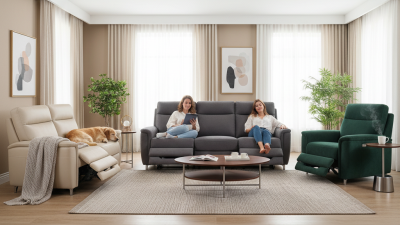
In practical testing, sit with your feet flat and your lower back supported. Check whether the headrest meets your height when fully reclined. Measure the sofa, doorway, hallway, and intended space before ordering. A compact recliner sofa can suit an apartment, while a wider model may better serve a family room. Leave enough clearance behind or in front, depending on its reclining mechanism. Wall-hugger designs can save valuable space.

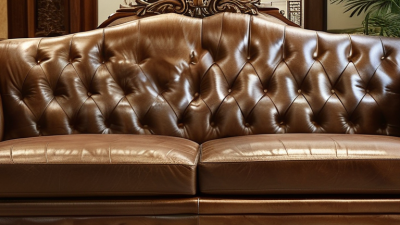
Pay attention to the frame, cushioning, upholstery, and moving parts. Kiln-dried hardwood frames often provide dependable strength, while high-density foam can retain its shape longer. Leather may age attractively, but fabric can feel warmer and offer more color choices. Ask about weight limits, cleaning instructions, warranty coverage, and replacement parts. These details reveal how confidently a manufacturer stands behind its product.

Still, no recommendation fits everyone. I once preferred a firm seat, then discovered that softer cushioning worked better during long evenings. Personal comfort changes with posture, height, and daily habits. Use verified specifications, customer feedback, and, when possible, an in-person trial. The best choice balances measurable quality with how naturally the recliner sofa fits your real life. Convenience should not replace careful judgment.
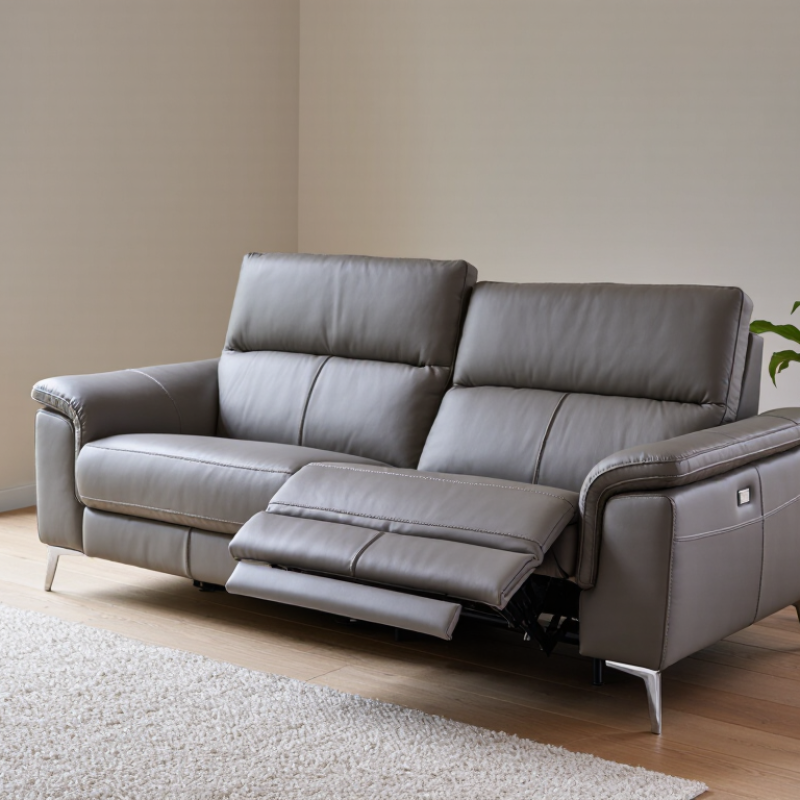
How to Choose the Best Recliner Sofa?

Define Your Recliner Sofa Needs and Available Space

Before choosing a recliner sofa, measure the people who will use it. A tall person may need deeper seating and stronger head support. Someone with limited mobility may prefer powered reclining and easy-to-reach controls. Write down daily habits, too. Will you read, nap, watch television, or share the sofa with children?

Measure the available space carefully. Record the wall width, doorway height, stair turns, and elevator dimensions. Leave enough room for full footrest extension. Many reclining sofas need 40 to 50 centimetres behind the backrest. Wall-hugging designs need less space, but they still require clearance near the sides. Mark the sofa footprint on the floor with painter’s tape. It makes crowded walkways obvious.

Comfort depends on more than a soft cushion. Sit with your feet supported and your lower back relaxed. Check whether the seat edge presses against your knees. Test the controls several times. A quiet mechanism feels more dependable during everyday use. I once chose a sofa that fitted the wall perfectly, but ignored the doorway angle. Delivery became difficult. That mistake taught me to measure the route, not just the room. Keep at least 60 centimetres for a main walking path when possible. Also consider cleaning access, window openings, and nearby tables before ordering.

Compare Recliner Mechanisms, Positions, and Control Options

How to Choose the Best Recliner Sofa?

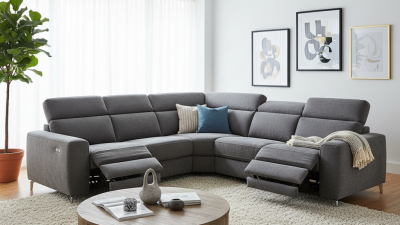
A recliner sofa should match your daily habits, not just your room’s appearance. Manual mechanisms use a side lever and usually cost less. They work well when you want simple operation and fewer parts to maintain. Power recliners move smoothly through electric motors, which helps users with limited strength. Dual-motor models adjust the backrest and footrest independently. This creates more precise support, especially for reading or resting after work.

However, motors need nearby power outlets and may feel slower during adjustments.

Position matters more than many shoppers expect. Sit upright for conversation, raise your legs for television, and test a flatter position for naps. Your heels should rest comfortably without pressure behind your knees. Check the sofa’s wall clearance before delivery. A reclining back can need several inches of space.

I once tested a sofa that felt comfortable initially, but its headrest pushed my neck forward after twenty minutes. Short showroom tests can mislead.

Tips: Compare controls while seated, not standing beside the sofa. Buttons are easier for some users than a hidden lever. A wired control stays attached, while a wireless remote reduces cable clutter. Check button labels, response speed, and emergency return options. Test every seat separately if the sofa has multiple reclining sections. Measure doorways twice. Small mistakes become expensive quickly. Consider fabric texture too; smooth upholstery may cause pillows to slide in deeper positions.

Evaluate Upholstery, Frame Quality, and Long-Term Durability

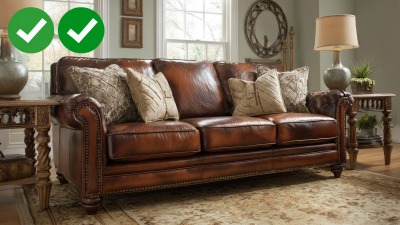
Choosing the best recliner sofa starts with materials you can inspect, not promises you can only read. Upholstery should match your daily routine. Leather-like surfaces wipe clean easily, while woven fabric may feel warmer and hide small marks. Sit for ten minutes. Notice heat, friction, and whether the cushion fabric pulls at the seams. I once chose a soft cover that looked elegant but showed every crumb. That was my mistake.

The frame deserves equal attention. A solid hardwood or reinforced metal structure usually handles repeated reclining better than a lightweight frame. Lift one front corner slightly. Excessive twisting can suggest weak construction. Check the joints beneath the sofa, if possible, and listen for clicks during movement. The reclining mechanism should operate smoothly without grinding or sudden stops. Still, showroom testing is limited. A quiet mechanism today may become noisy after years of use.

Tips: Ask about cushion density, seam strength, cleaning instructions, and repair access. Keep the sofa away from direct sunlight and leave space behind moving parts. Rotate removable cushions regularly. Do not ignore a small wobble; it may become a larger problem. Also, be realistic about durability. Heavy daily use, pets, and children will challenge even careful construction. A sofa that suits your habits often lasts longer than one chosen only for appearance.

Check Comfort, Support, Size, and User-Friendly Features

Choosing the best recliner sofa starts with comfort, not appearance. The CDC’s 2023 National Health Interview Survey found that 39% of U.S. adults experienced back pain during the previous three months. Lumbar support therefore deserves serious attention. Sit fully back for at least ten minutes. Your hips should remain level, with your feet supported by the floor or footrest. The headrest should meet your neck without pushing your head forward. A very soft cushion feels welcoming at first. It may later allow your pelvis to slide forward.

Support also depends on size. Measure the seat depth, width, doorways, and the sofa’s fully reclined length. Many buyers measure only the closed frame. That mistake can block a walkway. A seat height near 18 to 20 inches suits many adults, but leg length matters more than a fixed number. BIFMA’s X5.4 lounge-seating standard evaluates stability, strength, and durability through repeated performance tests. Look for clear safety information and a sturdy frame, not vague claims.

User-friendly features should reduce effort. Test the control buttons with one hand. They should be easy to identify without looking down. Check motor noise, footrest movement, charging ports, and battery backup during a power interruption. Keep controls away from small children. The World Health Organization estimates that 619 million people lived with low back pain in 2020. That statistic does not make one sofa medically suitable. Personal fit still wins, and my own preference for firm cushioning may not suit someone seeking pressure relief.

How to Choose the Best Recliner Sofa? - Check Comfort, Support, Size, and User-Friendly Features

Evaluation Dimension Practical Reference Data Why It Matters How to Check Suggested Score
Seat Height Approximately 18–21 in (46–53 cm) for many adults; taller users may prefer a higher seat. Supports easier sitting down and standing up while keeping the knees near a comfortable angle. Sit fully back with both feet flat. The knees should be close to hip level, without pressure behind them. 1–5
Seat Depth Approximately 20–23 in (51–58 cm) is a common adult range; shorter users generally need less depth. Allows the backrest to support the lower back without forcing the legs to extend awkwardly. Leave about 2–4 in (5–10 cm) between the seat edge and the back of the knees. 1–5
Seat Width A single recliner seat is often about 20–24 in (51–61 cm) wide; measure the usable area between the armrests. Provides enough room for natural posture without excessive side-to-side movement. Sit in your usual position and confirm that the arms, hips, and shoulders are not restricted. 1–5
Lumbar Support The lower-back support should contact the natural curve of the lumbar area and remain supportive in both upright and reclined positions. May reduce slouching and helps maintain a more neutral seated posture. Check for a continuous, comfortable contact point behind the lower back; avoid hard pressure or a gap. 1–5
Backrest and Head Support The backrest should support the upper back; an adjustable headrest can help accommodate different heights. Helps support the neck and shoulders during reading, watching television, or resting. Recline fully and check that the headrest supports the back of the head without pushing the chin forward. 1–5
Cushion Firmness Medium-firm cushioning is a balanced starting point; softer or firmer support should be selected according to personal preference and mobility needs. A cushion that is too soft may make standing difficult, while one that is too firm may create pressure points. Sit for at least 10–15 minutes and check pressure at the hips, thighs, tailbone, and shoulders. 1–5
Reclining Angle A useful recliner should provide a stable upright position and at least one comfortable resting position; some models offer multiple positions. Different angles support activities such as conversation, reading, napping, and watching television. Test every available position and confirm that the footrest and backrest move smoothly without sudden stops. 1–5
Overall Width Measure the complete outside width, including arms; compact recliners are often around 30–36 in (76–91 cm), while wider designs require more space. Prevents blocked walkways and ensures the sofa fits the intended room. Measure the room, doorway, hallway, elevator, and stair turns before ordering. 1–5
Reclining Clearance Wall-hugger designs may require only a small gap, while traditional designs commonly need about 12–18 in (30–46 cm) behind the backrest. Always verify the product specification. Adequate clearance prevents wall damage and allows the backrest to recline fully. Mark the maximum reclined footprint on the floor and maintain a clear path around the sofa. 1–5
Weight Capacity Capacity varies by construction and must be confirmed in the product specifications. Choose a model whose stated limit exceeds the heaviest intended user. Supports safe, stable use and helps protect the frame and reclining mechanism. Compare the published capacity with the user’s weight; do not estimate from appearance alone. 1–5
Operating Controls Manual levers require no power; powered controls commonly use buttons or a wired remote and need access to an electrical outlet. Simple, clearly labeled controls improve convenience and accessibility. Operate the mechanism repeatedly and check button size, control location, cable routing, and emergency return options. 1–5
Footrest Function The footrest should support most of the lower legs without pressing sharply against the heels or calves. Balanced leg support improves comfort during extended reclining. Check that the feet remain supported and that the footrest locks securely in its open and closed positions. 1–5
Upholstery and Maintenance Removable or cleanable covers are practical for households with children, pets, or frequent use. Follow the manufacturer’s cleaning instructions. Easy-care materials help maintain appearance and hygiene over time. Check seams, stitching, cushion gaps, stain-cleaning instructions, and whether replacement parts are available. 1–5
Safety and Stability The base should remain stable during entry, exit, and reclining; moving parts should not be easily accessible to children or pets. Reduces tipping, pinching, tripping, and unexpected movement risks. Test the sofa from a standing position and inspect the underside, hinges, cables, and pinch points. 1–5
User-Friendly Extras Useful options may include USB charging, storage pockets, cup holders, adjustable headrests, reading lights, or independent seats. Adds convenience, but extras should not compromise comfort, durability, or ease of cleaning. Select only features that match daily habits and verify their location, accessibility, and power requirements. 1–5
Total Evaluation Score / 65
Scoring guide: 1 = poor fit or performance, 3 = acceptable, 5 = excellent fit. Prioritize comfort, lumbar support, safe operation, and room dimensions over optional features.

Review Safety, Maintenance, Warranty, and Overall Value

How to Choose the Best Recliner Sofa?

A recliner sofa should feel stable before it feels luxurious. Sit in every seat and test the footrest slowly. The frame should not twist, rock, or produce sharp clicking sounds. Check that moving parts stay covered when the footrest opens. Keep children and pets away from the mechanism during testing. For powered models, inspect the cord, plug, and control panel carefully. Look for recognized electrical safety testing and clear operating instructions. A sofa that feels impressive in a showroom may feel awkward after two hours. I once underestimated seat depth, and my lower back noticed quickly.

Maintenance affects comfort and long-term value. Choose upholstery that matches your daily habits, especially if drinks, pets, or frequent guests are involved. Ask for cleaning instructions before buying. Some fabrics tolerate gentle vacuuming, while others show water marks easily. Leave space behind the sofa if the back reclines. Dust can gather around motors and hinges. Follow the manual, and never force a stuck footrest. That mistake can turn a small problem into an expensive repair.

Tips: Read the full warranty, not only the headline period. Confirm coverage for the frame, motor, fabric, labor, and delivery damage. Ask who pays for transport during repairs. Check whether home visits are available. Compare the sofa’s comfort, repair support, energy use, and expected lifespan. A cheaper model is not better if replacement parts are difficult to obtain. Keep your receipt and installation records. Inspect the sofa during delivery, because small damage becomes harder to prove later.