

Top 10 Long Sleeve Wedding Gowns for Wholesale Buyers
Choosing the right Long Sleeve Wedding Gown collection can shape a wholesaler’s seasonal performance. Brides often seek coverage, elegance, and comfort in one design. Yet a beautiful sample does not guarantee reliable wholesale results.
This guide presents ten long sleeve wedding gowns selected for practical buying decisions. Each style deserves attention to fabric weight, sleeve construction, lining, closure quality, and size consistency. Lace sleeves may create a romantic finish, while satin or crepe can offer a cleaner, modern appearance. Small details matter. A secure cuff, smooth zipper, and well-placed seam can reduce fitting complaints after delivery.
From working with bridal collections, buyers know that photographs can hide important flaws. Transparent lace may require careful lining. Heavy beading can affect shipping weight and customer comfort. Some gowns look impressive on a showroom hanger but feel restrictive during movement. That difference should not be ignored.
The featured designs balance visual appeal with production practicality, including adaptable silhouettes, wearable necklines, and materials suitable for different wedding seasons. Buyers should still request current measurements, fabric information, production timelines, and quality-control details before placing larger orders. Supplier reputation helps, but inspection remains essential.
Not every gown suits every market.
Regional preferences, climate, and price positioning can change demand quickly. A modest high-neck style may perform strongly in one collection, while a lighter illusion sleeve may attract another audience. This overview offers a useful starting point, not a guaranteed sales formula. Careful testing, honest product descriptions, and consistent communication will help wholesale buyers build a more dependable bridal assortment.
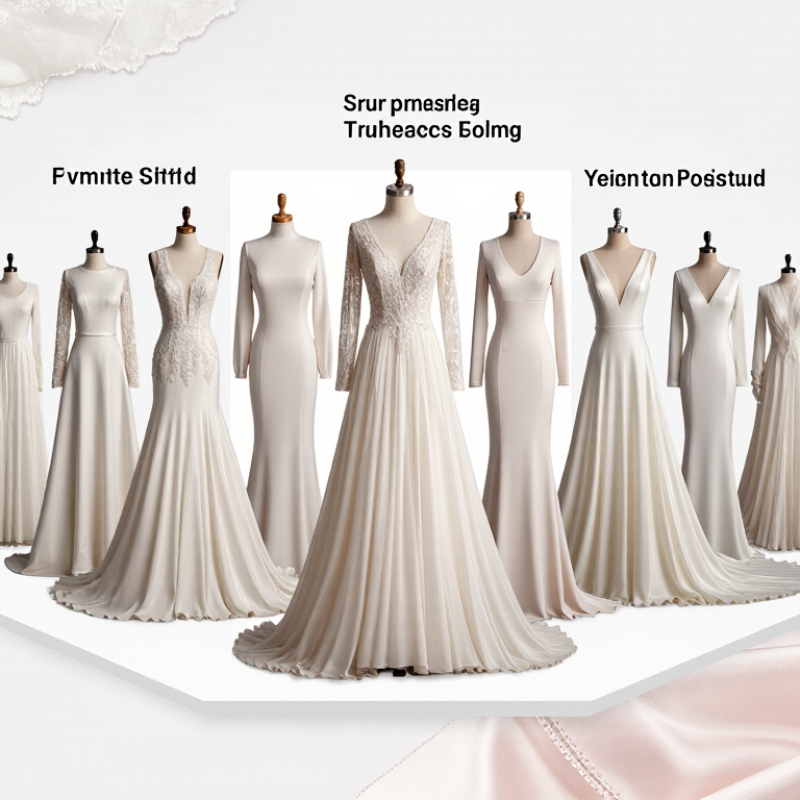
Long Sleeve Wedding Gown Styles Wholesale Buyers Should Know
Wholesale buyers should know how long-sleeve wedding gown styles perform beyond photographs. The ten most useful categories include fitted lace sleeves, illusion sleeves, bishop sleeves, bell sleeves, puff sleeves, cape sleeves, off-shoulder sleeves, detachable sleeves, A-line gowns, and sheath gowns. Each style serves a different customer and fitting need.
Fitted lace sleeves suit classic collections and show delicate detail under soft lighting. Illusion sleeves create coverage without a heavy appearance. Bishop sleeves add movement, but their extra fabric needs careful wrist and cuff construction.
Bell sleeves feel romantic, while puff sleeves attract fashion-focused shoppers. Detachable sleeves offer two looks in one gown, which can improve retail flexibility. However, removable pieces may increase alteration questions.
A-line gowns with long sleeves usually provide broad size appeal and easier movement. Sheath gowns require precise measurements around the shoulders, waist, and hips. Cape sleeves can flatter the upper body, but their attachment points must stay secure during walking.
Buyers should inspect seam strength, lining comfort, zipper quality, and sleeve mobility before placing large orders. Requesting multiple sample sizes is wise. One sample can hide grading problems. A gown may look perfect on a hanger and feel restrictive after five minutes of arm movement.
I have found that practical wear tests reveal more than studio images. Seasonal fabric choices also matter. Velvet-lined sleeves may feel excessive in warm venues, while lightweight crepe can crease easily during shipping.
Key Design Features Across the Top 10 Gown Choices
The top ten long sleeve wedding gowns show how small design choices shape wholesale appeal. High necklines offer modest coverage, while illusion mesh creates a lighter visual effect. Lace sleeves add texture, but dense appliqués can increase production time and shipping weight. Several gowns use fitted cuffs, covered buttons, or gentle ruching at the wrists. These details create a polished finish without relying on excessive decoration.
Silhouette remains a practical buying factor. A-line skirts suit varied body shapes and usually require fewer fitting adjustments. Mermaid cuts create drama through structured seams and a controlled flare below the knee. Soft satin supports clean lines, while layered tulle adds movement under showroom lighting. Wholesale buyers should inspect lining quality, zipper strength, and seam consistency. A beautiful sample means little if ten more units fit differently.
Color also changes the gown’s character. Ivory, warm white, and pale champagne can appear very different beside natural skin tones. Sleeve transparency needs careful testing under bright retail lights. Some designs look elegant online but feel too heavy in person. That is worth remembering. A reliable collection balances visual detail, comfortable wear, size grading, and manageable production costs. Certain finishing choices may still need revision after customer fittings.
Fabrics, Construction, and Seasonal Suitability
Top 10 Long Sleeve Wedding Gowns for Wholesale Buyers
For wholesale buyers, ten long-sleeve gowns should offer clear differences in fabric, structure, and wearability. A useful assortment may include lace sleeves, sheer tulle, satin, crepe, chiffon, mikado, and velvet details. Each fabric creates a different customer experience. Crepe gives a clean, flexible drape, while mikado provides sharper volume and a formal finish. Lace adds texture, but its softness and pattern density require careful inspection. Small flaws become obvious near the neckline and cuffs.
Construction affects returns more than decoration. Check whether sleeves allow natural arm movement during fittings. Shoulder seams should sit flat, and sleeve heads should avoid pulling across the upper arm. Lining should feel smooth, especially beneath lace or beaded surfaces. Reliable zippers, reinforced waist seams, and consistent grading also matter for wholesale production. In fitting reviews, I have found that beautiful samples can still disappoint when the sleeve opening is too narrow. That detail is easy to miss.
Seasonal suitability should guide the buying mix. Velvet, lined satin, and dense lace suit winter ceremonies and cooler venues. Lightweight chiffon, open-knit lace, and unlined tulle work better for spring and mild summer events. However, sheer sleeves may need modesty panels for different customer preferences. A lighter fabric can wrinkle during shipping. That trade-off deserves testing. Buyers should request fabric swatches, movement samples, and care information before confirming larger quantities.
How to Compare Wholesale Quality, Sizing, and Pricing
When comparing the top 10 long sleeve wedding gowns for wholesale, inspect construction before appearance. I check sleeve seams, lining, zipper strength, and hem balance on a physical sample. A smooth satin surface can hide weak stitching. Turn the gown inside out. Loose threads often reveal rushed production.
Sizing requires more than reading small, medium, and large. Compare the supplier’s bust, waist, hip, and sleeve measurements with your sales data. Ask for grading rules between sizes. Try at least one sample on a dress form or model. Pay attention to arm movement. Tight upper sleeves can create costly alterations. Size charts may also contain errors, so record every measurement yourself.
Pricing should include fabric, packaging, shipping, duties, sampling, and possible alteration costs. Request a clear quotation with minimum order quantities and production timelines. Review quality consistency across several gowns, not only the best sample. I have seen attractive samples followed by uneven lace placement. That risk deserves honest discussion. A lower unit price may fail if returns increase. Keep written inspection standards, including stitch density, color matching, and acceptable measurement tolerance. Payment terms and replacement policies matter too. Wholesale success depends on repeatable quality, not one impressive gown.
Top 10 Long Sleeve Wedding Gowns for Wholesale Buyers
Comparing indicative wholesale pricing, construction quality, and standard size availability
This benchmark compares common long-sleeve bridal gown silhouettes using indicative wholesale unit prices in USD, a construction-quality score based on lining, seam finishing, closure quality, and embellishment durability, and the number of standard US sizes typically offered by wholesale manufacturers. Higher quality scores and broader size availability can support stronger retail positioning, while lower wholesale prices may improve initial margins.
Buying Considerations for Stocking Long Sleeve Bridal Gowns
Wholesale buyers choosing long sleeve wedding gowns should begin with customer demand, not runway appeal. The Knot’s 2023 Real Weddings Study reported an average wedding dress spend of about $2,000 in the United States. This suggests room for premium gowns, but price sensitivity remains important. Stock different sleeve stories: sheer lace for spring, lined satin for winter, and detachable sleeves for adaptable styling.
Fit deserves close attention. Long sleeves expose problems quickly, especially around the upper arm, elbow, and wrist. Request graded measurements, not only a sample size.
Check whether the cuff allows movement and whether beads scratch the skin. It sounds minor. Brides remember discomfort.
Grand View Research has projected continued growth in the global bridal wear market through 2030, but growth does not guarantee fast sell-through. Review local climate, ceremony customs, and sales history before setting quantities.
A practical opening assortment may include classic lace, clean crepe, modest high-neck, and convertible designs across a balanced size range. Ask for fabric composition, lining details, care instructions, production capacity, and lead times.
Verify every claim with physical samples. I have seen beautiful catalog images hide stiff mesh and weak seams. That mistake is expensive. Also compare alteration requirements, packaging quality, defect policies, and reorder speed before committing to deeper stock.

