
WAREHOUSE & SHOWROOM

15700 Middlebelt Rd
(Between 5 & 6 Mile)
Livonia, MI 48154

(734) 751-4413

HOURS

Now open earlier!
Sunday: 11:00 am – 5:00 pm
Monday: 11:00 am – 6:00 pm
Tuesday: CLOSED
Wednesday: CLOSED
Thursday: 11:00 am – 6:00 pm
Friday: 11:00 am – 6:00 pm
Saturday: 10:00 am – 6:00 pm

Why Choose a Corner Sofa for Your Home?

Choosing a corner sofa can transform an ordinary living room into a comfortable, purposeful space. Its angled shape uses wall areas that often remain empty, creating more seating without crowding the centre of the room. Families can spread out during movie nights, while guests gain a natural place to talk. Space matters.

A well-designed corner sofa may also support better room planning. Its longer sections can separate a lounge from a dining area in an open-plan home. Deep cushions invite relaxed evenings, but excessive depth may make smaller rooms feel cramped. Measuring the walls, doorways, staircases, and walking routes is essential before buying. A clearance of around 60 to 90 centimetres can help maintain practical movement, although furniture layouts depend on the room’s shape.

Material choice affects comfort, maintenance, and long-term value. Durable woven fabric may suit busy households, while removable covers can simplify cleaning after spills. Leather offers a different appearance and may develop character over time, but it requires suitable care. Professional furniture guidance should consider frame construction, cushion density, support, and warranty terms rather than appearance alone.

Personal experience often reveals details product images cannot show. A sofa may look elegant online but feel too firm after an hour. It may fit the wall yet block a radiator or window. Not every room benefits.

This guide examines why a corner sofa can be a practical investment, while recognising its limitations. Careful measurements, honest priorities, and realistic expectations lead to a more reliable choice.
Why Choose a Corner Sofa for Your Home?

What Is a Corner Sofa and How Does It Differ from Other Sofas?

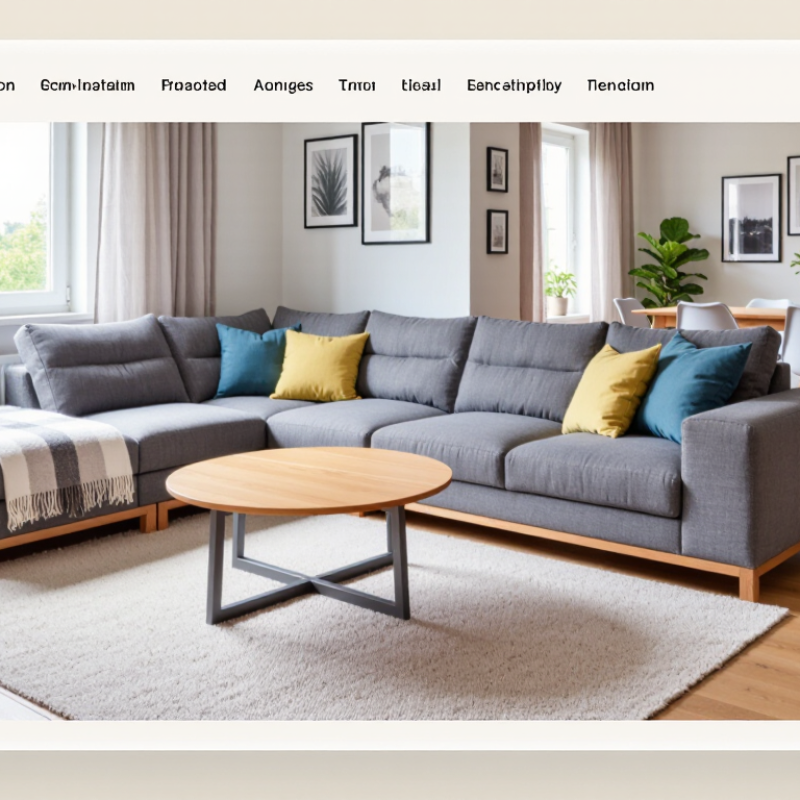
A corner sofa is designed to occupy two adjoining walls, usually in an L shape. It combines a longer seat with a shorter return section. Some models also form a U shape or include a movable chaise. Unlike a standard two- or three-seat sofa, it turns unused corners into practical seating space. The connected layout lets several people sit together without separate chairs filling the room. It also creates a clearer boundary between a lounge area and nearby dining space.

From my experience arranging living rooms, the main difference is not only size. It is how the sofa controls movement. A regular sofa leaves access on both sides, while a corner sofa often directs people around one open end. Measure both walls, the doorway, and the lift before ordering. Leave enough clearance for drawers, doors, and walking paths. Around 60 to 75 centimetres can make daily movement feel easier, though each room needs judgment. I once assumed a larger corner sofa would always feel more comfortable. That was too simple. A deep seat may suit relaxed evenings, but it can feel awkward for shorter users. Check the seat height, cushion firmness, and return direction carefully. Small details matter.

Why Choose a Corner Sofa for Your Home?

A corner sofa is an L-shaped seating arrangement designed to fit into two adjoining walls or define a room zone. Compared with straight sofas, it generally provides more seating within one connected layout.

How it differs: A typical two-seat sofa seats about two people, while a three-seat sofa seats about three. An L-shaped corner sofa commonly accommodates four people, making it useful for shared living spaces while using a corner that might otherwise remain unused.

How a Corner Sofa Uses Space and Improves Room Layout

Why Choose a Corner Sofa for Your Home?

A corner sofa can turn an awkward corner into useful seating. This matters in smaller homes. The English Housing Survey 2022–23 reports that the average dwelling has about 94 square metres of usable floor area. In compact rooms, a long sofa and separate chairs may create crowded walking routes. A corner design keeps seating along two walls. The centre stays open for movement, a coffee table, or children’s play.

Measure carefully.

During room planning, I leave roughly 75–90 centimetres for main walkways. This practical range supports comfortable movement, although door positions can change everything. The sofa’s total width, depth, and arm shape deserve equal attention. A low-profile corner sofa may visually enlarge the room. A deep model can provide better lounging comfort but reduce circulation. It is easy to choose softness first and regret it later.

The 2024 Houzz & Home Study shows that homeowners continue investing substantially in renovation projects, demonstrating the value of planning before purchasing. A corner sofa can also define zones without adding a partition. Place one side toward the television and the other toward a window or reading lamp. Keep at least 45 centimetres around a coffee table when possible. These numbers are useful, not absolute. Real rooms are rarely perfect. You may need to accept a slightly tighter passage to preserve natural light or an important doorway.

What Comfort and Seating Benefits Does a Corner Sofa Offer?

Why Choose a Corner Sofa for Your Home?

A corner sofa can turn an unused wall area into practical seating. Its L-shaped design allows several people to sit together without filling the room with separate chairs. In my experience, the extended chaise section is especially useful after a long day. You can stretch your legs, support your back, and keep a book nearby. It feels relaxed.

Comfort depends on more than soft cushions. A supportive seat should keep your hips stable and your knees close to a natural angle. Medium-firm foam often offers better everyday support than very soft filling. However, personal comfort varies. I once preferred a deep sofa, but found it awkward when sitting upright. Seat depth, back height, and armrest position deserve a careful test. A corner sofa also encourages conversation because people face each other naturally. It may not suit every layout, though. Doorways, windows, and walking space can affect the final fit.

Tips: Measure the room and entrance before ordering. Leave clear space for walking. Sit on the sofa for ten minutes, not just briefly. Check whether your feet touch the floor comfortably. Removable covers can help with routine cleaning, while firm cushions may keep their shape longer. Do not ignore the corner direction. A reversible chaise offers flexibility, but fixed designs can feel more stable.

Which Corner Sofa Styles, Sizes, and Materials Are Available?

Corner sofas come in more styles than many shoppers expect. A clean, low-profile design suits modern rooms with open floor plans. Traditional versions may feature rolled arms, deeper cushions, and textured upholstery. Modular corner sofas offer flexible sections when your layout changes. A chaise-ended style feels relaxed, but it needs clear walking space. Measure twice.

Sizes range from compact two-seat designs to large U-shaped arrangements. A compact corner sofa can suit an apartment or narrow lounge. Larger models provide generous seating for families and guests. However, room measurements alone are not enough. Check door widths, stair turns, lift dimensions, and radiator positions. I once underestimated a hallway turn, and the delivery became unnecessarily difficult. Leave about 70 centimetres for comfortable passage where possible. Seat depth also matters. Deeper cushions support lounging, while shallower seats make standing easier.

Material choices change the sofa’s feel, care needs, and expected lifespan. Polyester blends are practical for busy homes and usually offer many colours. Linen feels cool and natural, though it may crease and show wear sooner. Leather can be durable and easy to wipe, but temperature changes may feel noticeable. Velvet adds softness and visual depth, yet it can reveal pressure marks. Look for a sturdy frame, even stitching, supportive webbing, and cushions that recover after use. Foam density and cushion construction deserve questions, not assumptions. Some attractive fabrics are less forgiving than expected.

Why Choose a Corner Sofa for Your Home? - Which Corner Sofa Styles, Sizes, and Materials Are Available?

Category Corner Sofa Type Best For Typical Size Guide Common Materials Key Considerations
Style L-Shaped Sofa Defining a seating area, using a room corner efficiently, and creating space for several people. Approximately 220–320 cm wide; chaise or return section commonly measures 140–220 cm. Woven fabric, velvet, leather, faux leather, and performance upholstery. Check whether the chaise is left-hand, right-hand, or reversible before ordering.
Style U-Shaped Sofa Large living rooms, family seating, entertaining, and creating a sociable arrangement. Approximately 300–400 cm wide; overall depth often ranges from 150–220 cm. Fabric, leather, faux leather, and mixed upholstery combinations. Requires substantial floor space and careful planning around doors, windows, and walkways.
Style Modular Corner Sofa Homes where flexibility, reconfiguration, or future furniture changes are important. Individual modules commonly measure 70–110 cm wide; total size depends on the configuration. Removable fabric covers, textured weaves, chenille, leather, and stain-resistant upholstery. Confirm how the modules connect and whether replacement covers are available.
Style Sofa Bed Corner Unit Guest rooms, compact homes, and living rooms that need occasional sleeping space. Approximately 230–300 cm wide; extended bed depth may reach 200–240 cm. Durable woven fabric, chenille, microfiber, faux leather, and leather-look upholstery. Measure the open position and allow room for movement around the bed mechanism.
Size Compact Corner Sofa Apartments, smaller living rooms, narrow lounges, and first-time furniture layouts. Approximately 190–240 cm wide with a return section of about 130–170 cm. Lightweight woven fabric, microfiber, faux leather, and slim-profile upholstery. Prioritize seat depth, armrest width, and delivery access to prevent the sofa from overwhelming the room.
Size Standard Corner Sofa Average-sized living rooms and households needing everyday seating for several people. Approximately 240–320 cm wide with a return section of about 160–220 cm. Woven fabric, velvet, chenille, leather, and performance upholstery. Leave comfortable circulation space between the sofa, coffee table, walls, and other furniture.
Size Large Corner Sofa Open-plan interiors, large families, movie rooms, and frequent entertaining. Approximately 300–400 cm wide; return or chaise depth may range from 180–240 cm. Durable fabric, top-grain or corrected-grain leather, performance textiles, and stain-resistant blends. Measure stairways, lifts, hallways, and door openings as well as the final room position.
Material Woven Fabric A broad range of interiors, comfortable everyday use, and varied colour or texture choices. Available across compact, standard, modular, and large corner designs. Cotton blends, polyester, acrylic, linen blends, and other woven upholstery fibres. Review cleaning instructions, fabric durability, colourfastness, and resistance to pilling.
Material Velvet or Chenille Comfort-focused rooms and interiors where a soft, tactile, decorative finish is desired. Commonly offered on compact, standard, and modular corner sofas. Polyester velvet, cotton-blend velvet, synthetic chenille, and textured chenille. The pile can show shading or pressure marks; regular gentle brushing and careful cleaning may be needed.
Material Leather Long-term use, contemporary or traditional interiors, and households seeking an easy-to-wipe surface. Available in L-shaped, U-shaped, modular, and sofa-bed corner configurations. Full-grain, top-grain, corrected-grain, and split leather with coated finishes. Natural leather can develop character over time; keep it away from direct heat and maintain it as recommended.
Material Faux Leather Modern interiors, easy routine wiping, and buyers seeking a leather-like appearance at a lower cost. Commonly used for compact, standard, and sofa-bed corner sofas. Polyurethane or PVC-coated textile backing. Quality and durability vary; check the warranty, surface finish, and care requirements.
Material Performance Upholstery Busy households, homes with children or pets, and rooms exposed to frequent daily use. Available in most sizes and configurations, subject to the furniture collection. Tightly woven synthetic fibres, treated blends, recycled polyester, and stain-resistant textiles. Look for tested abrasion resistance, removable covers, and clear instructions for spot cleaning.

Size ranges are general planning guides. Always confirm the exact external dimensions, seat depth, delivery measurements, upholstery composition, and care instructions before purchase.

What Should You Consider Before Choosing a Corner Sofa?

Why Choose a Corner Sofa for Your Home?

Before choosing a corner sofa, measure the room carefully. Include doorways, stairs, radiators, and walking routes. A sofa can fit one wall yet block a cupboard or window. Mark its footprint with masking tape. Then walk around it. This simple test often reveals awkward corners.

Think about how your household actually uses the room. A deep chaise feels comfortable for evening reading, but it may be difficult for older guests to stand from. A firm seat usually supports conversation better. Check the sofa’s total width, seat depth, back height, and corner direction. Some designs cannot be reversed after delivery. That detail matters in open-plan rooms.

Fabric choice deserves practical attention. I once chose a pale woven sofa because it looked calm and spacious. It showed every crumb within days. Now I check cleaning instructions, seam strength, cushion covers, and colour in daylight. Busy homes may need durable, tightly woven upholstery. Pets and children change the calculation. Ask how the frame is constructed, how cushions are supported, and whether replacement covers are available. Do not trust appearance alone. Sit on the sofa for several minutes, not just briefly. It may look perfect. Your lower back might disagree. Cost also includes delivery, assembly, maintenance, and possible floor protection.