Why Choose a Waterproof Raincoat for Wholesale?
For wholesalers, choosing a Waterproof Raincoat is a practical business decision, not a simple style preference. Retail customers expect dependable protection during sudden showers, windy commutes, and muddy outdoor work. A reliable raincoat should keep water away without feeling stiff or excessively heavy. Details matter. Taped seams, adjustable cuffs, covered zippers, and breathable lining can strongly influence customer satisfaction. Even the hood design matters when rain runs down a shopper’s face.
Wholesale buyers also need evidence beyond attractive product photos. A professional supplier should provide clear material specifications, sample measurements, production details, and relevant test documentation. Fabric water resistance, seam strength, colorfastness, and ventilation deserve careful review. Inspecting a physical sample can reveal problems that online images hide. The coat may feel too warm indoors. The zipper may catch. The pocket opening may be awkward with wet hands. Small issues become expensive when hundreds of units reach stores.
From my experience, consistent quality usually depends on communication and repeatable production controls. Ask how suppliers inspect fabric, monitor stitching, and handle defective items. Confirm labeling, packaging, and product requirements for each target market. No garment is perfect. A raincoat can resist heavy rain yet still feel uncomfortable during long wear. That limitation should be discussed honestly. Buyers who compare samples, verify documentation, and test practical details can reduce avoidable returns. A well-chosen Waterproof Raincoat offers retailers useful seasonal inventory, stronger customer trust, and a more dependable wholesale opportunity.
What Is a Waterproof Raincoat and How Does It Work?
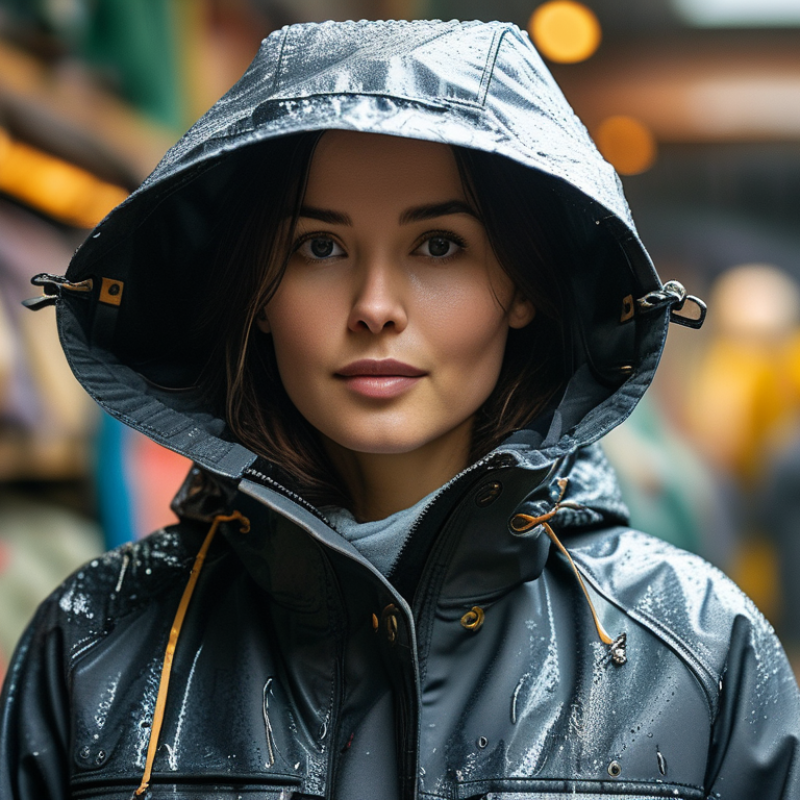
A waterproof raincoat is designed to stop liquid water from passing through its fabric. It usually combines a tightly woven outer layer with a waterproof coating or membrane. Small pores can block raindrops while allowing some body vapor to escape. This balance supports comfort during walking, commuting, or outdoor work.
Sealed seams matter as much as the fabric. Needle holes can let water enter, so reliable raincoats use taped or welded seams. Adjustable cuffs, covered zippers, and a shaped hood protect common entry points. A water-repellent finish helps droplets roll away, but it can weaken after washing and repeated use. Not always.
From my product evaluation experience, wholesale buyers should examine both construction and performance claims. Ask for fabric specifications, seam-sealing details, and test information from a qualified laboratory. A simple shower test can reveal poor zipper coverage or leaking pockets, but it cannot replace controlled testing. Waterproof ratings may also be misunderstood when suppliers use different methods. Check the measurement standard.
For larger orders, inspect samples in different sizes. A coat may resist rain well but restrict movement when layered over a sweater. That practical flaw is easy to miss. Durability also depends on coating quality, fabric weight, and care instructions. No raincoat stays perfect forever. A thoughtful wholesale choice considers protection, breathability, comfort, and consistent manufacturing across the entire shipment.
Why Choose a Waterproof Raincoat for Wholesale?
A waterproof raincoat uses a coated fabric or waterproof membrane to prevent liquid water from passing through. A durable water-repellent finish helps rain form droplets on the outer surface, while sealed seams, storm flaps, and waterproof closures reduce leakage points.
Hydrostatic head testing measures how much water pressure a fabric can resist before water penetrates. The values below are common specification checkpoints expressed as millimeters of water column, with the equivalent pressure shown in kilopascals. Higher values indicate greater fabric resistance, but finished-garment performance also depends on seam sealing, zippers, closures, and construction quality. ISO 811 and AATCC 127 are commonly used methods for evaluating water penetration resistance.
Key Benefits of Waterproof Raincoats for Wholesale Buyers
Why Choose a Waterproof Raincoat for Wholesale?
Key Benefits of Waterproof Raincoats for Wholesale Buyers
Wholesale buyers need products that perform beyond a showroom rack. A waterproof raincoat should resist steady rain, protect seams, and remain comfortable during daily movement. Coated polyester or nylon can offer dependable protection when fabric and stitching are tested together. A sample check in real weather reveals details that a specification sheet may miss.
Reliable raincoats reduce customer complaints and support consistent reorders. Buyers can compare waterproof ratings, seam construction, hood adjustments, cuffs, and zipper quality before placing larger orders. Clear size measurements also reduce avoidable returns. Practical pockets help workers carry phones, keys, or small tools. Small details matter.
Bulk purchasing can improve unit costs, but the lowest quote is not always the best value. A thin coating may crack after repeated folding, while heavy fabric may feel uncomfortable in humid conditions. Wholesale buyers should request pre-production samples and inspect several sizes. One sample is rarely enough. Color consistency, packaging, and care labels deserve attention too. A useful raincoat balances weather protection, comfort, and dependable supply without promising perfection.
Materials, Features, and Quality Standards to Evaluate
Why Choose a Waterproof Raincoat for Wholesale?
Materials, Features, and Quality Standards to Evaluate
Material selection affects comfort, durability, and wholesale returns. Polyester with a polyurethane coating offers light protection and easy packing. PVC can resist heavy rain, but it may feel stiff in warm weather. Recycled fabrics can support sustainability goals, yet their coating quality still needs verification. Do not judge fabric by touch alone.
Inspect the seams closely. Fully taped seams usually block water better than ordinary stitching. A covered zipper, adjustable hood, and elastic cuffs reduce entry points during sudden showers. Breathable panels can limit condensation, especially when workers move quickly. Still, “waterproof” does not mean perfect comfort. A coat may stop rain but trap heat.
Quality checks should include hydrostatic pressure testing, seam leakage tests, and colorfastness checks. ISO 811 may help evaluate fabric water resistance. Ask for current test reports, production samples, and inspection records. Test several sizes, not only one attractive sample. Fit problems often appear at the shoulders and wrists.
Wholesale buyers should also review coating adhesion, fabric strength, zipper operation, and washing performance. A small batch inspection can reveal uneven sealing or weak snap buttons. That happened in one trial order I reviewed. The material met the stated specification, but the hood adjustment failed repeated use. Standards are useful. Real handling still matters. Require clear tolerances, traceable batches, and corrective action records before approving large quantities.
Wholesale Applications and Market Demand for Raincoats
Why Choose a Waterproof Raincoat for Wholesale?
Waterproof raincoats serve practical needs across several wholesale channels. Outdoor retailers stock them for commuters, hikers, delivery workers, and schoolchildren. Workwear suppliers often select coated polyester or polyurethane fabrics for wet job sites. Event organizers may order lightweight ponchos for festivals, races, and temporary outdoor services. Demand rises sharply when forecasts show long periods of rain. Rain matters.
In purchasing reviews, buyers usually check waterproof performance, seam construction, sizing, and packing efficiency. A raincoat can look strong on a sample table yet leak at the zipper or hood. That small weakness creates returns and damages retailer trust. Wholesale customers also compare weight, folding size, color range, and delivery reliability. Clear material specifications help buyers judge value without guessing. Suppliers should state fabric composition, water-resistance testing, and care instructions. I have found that simple size charts reduce ordering mistakes. Still, charts are not perfect.
Market demand now extends beyond emergency purchases. Urban cycling, outdoor work, travel, and school commuting support regular seasonal sales. Retailers may prefer neutral colors for broad appeal, while local stores test brighter options. Reusable packaging can support sustainability goals, but it may increase unit cost. That trade-off deserves honest calculation. Quality control should include zipper checks, taped seams, hood adjustments, and actual water exposure. A single inspection is not enough when production batches change. Wholesale planning works better when buyers track local rainfall, customer feedback, and return reasons together.