

Why Choose Lightweight Golf Umbrellas for Golfers?
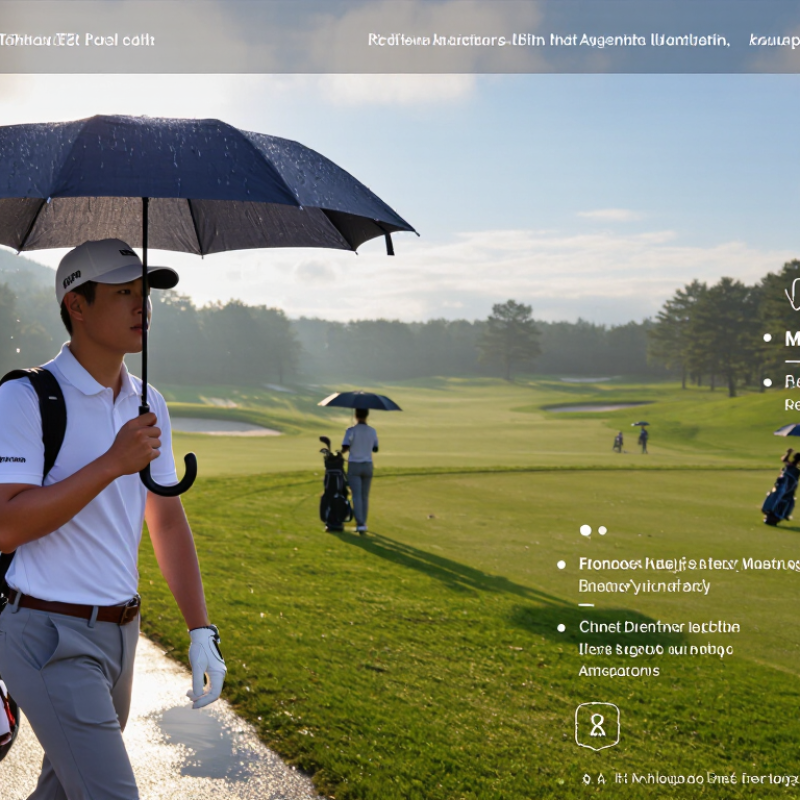
Golf rounds rarely follow a perfect weather plan. A bright morning can become windy, wet, and uncomfortable before the back nine. For golfers, lightweight golf umbrellas offer practical protection without adding unnecessary weight to a carry bag. Their compact construction can reduce shoulder strain and leave more room for clubs, towels, and accessories.
On the course, every detail matters. A golfer may walk several miles while holding a bag, checking yardage, and choosing clubs. A lighter umbrella feels easier to open between shots and less tiring during long waits. A wide canopy can protect the golfer, golf bag, and scorecard from sudden rain. A comfortable handle also matters when wet fingers make ordinary grips difficult to control.
Still, lightweight does not mean indestructible. A thin frame may struggle in strong gusts, especially when the umbrella is held at an angle. Quality materials, reinforced joints, and a secure closure can improve reliability, but they cannot defeat severe weather. This point is easy to overlook. Choosing the smallest model may save space, yet it can reduce coverage and stability. Experienced golfers should consider canopy size, shaft strength, handle comfort, and wind resistance together. Testing the umbrella before a tournament can reveal awkward opening mechanisms or weak hinges. Small details become important.
The best choice depends on playing habits, local weather, and personal carrying comfort. With realistic expectations, lightweight golf umbrellas can provide convenient, dependable shelter without becoming another burden on the course.
What Makes a Golf Umbrella Lightweight?
A lightweight golf umbrella depends on disciplined material choices, not simply a smaller canopy. Manufacturers commonly combine polyester fabric with aluminum or fiberglass ribs. Aluminum has a density of about 2.7 g/cm³, according to the International Aluminium Institute. Fiberglass weighs more than aluminum but bends without permanent kinks. That trade-off matters beside a wet fairway.
The umbrella should feel balanced when held with one hand. A practical target is often below 500 grams, although construction standards vary. The Golf Equipment Manufacturers Association reports that comfort and portability strongly influence recreational equipment purchases. Its findings support a simple design lesson: golfers carry umbrellas for several hours, not several minutes. A narrow shaft, compact handle, and fewer metal joints can reduce hand fatigue. Small details matter.
Wind resistance still deserves attention. The World Meteorological Organization’s State of the Global Climate reports increasingly variable extreme weather patterns. A light umbrella cannot defeat every gust. That assumption needs challenging. Vented panels can release trapped air, while fiberglass ribs may recover after bending. However, lighter materials can feel less substantial during storms. I have found that a balanced canopy often feels safer than the lowest advertised weight. Durability also remains difficult to judge from product descriptions alone. A light frame may be comfortable, yet repeated opening, folding, and drying can expose weak connections. Reliable testing should include rain, wind, grip comfort, and repeated use, rather than weight alone.
Why Choose Lightweight Golf Umbrellas for Golfers? - What Makes a Golf Umbrella Lightweight?
| Design Dimension | Lightweight Golf Umbrella | Typical Full-Size Golf Umbrella | Why It Matters for Golfers |
|---|---|---|---|
| Total Weight | Approximately 400–700 g | Approximately 700–1,100 g | Reduces arm fatigue while walking between holes and carrying other equipment. |
| Canopy Diameter | Approximately 120–140 cm | Approximately 130–160 cm | Provides useful personal coverage while avoiding unnecessary fabric and frame weight. |
| Frame Materials | Aluminum shaft with fiberglass or composite ribs | Steel, aluminum, fiberglass, or mixed-metal frame | Aluminum and fiberglass offer a practical balance of low weight, flexibility, and corrosion resistance. |
| Rib Construction | Usually 8–10 streamlined ribs | Usually 8–16 ribs, depending on canopy size and frame design | Fewer, lighter ribs reduce mass while still supporting a golf-sized canopy. |
| Canopy Fabric | Lightweight polyester, commonly about 190T–210T | Heavier polyester, pongee, or multi-layer fabric | A lighter fabric lowers overall weight and dries relatively quickly after use. |
| Vented Canopy | Often includes one or two wind vents | May include vents, but designs vary | Vents allow air to pass through the canopy, helping reduce uplift in gusty conditions. |
| Collapsed Length | Approximately 80–100 cm | Approximately 85–110 cm | A shorter, slimmer profile is easier to store in a golf bag or transport between courses. |
| Handle Design | Lightweight EVA foam, rubber, or molded polymer grip | Wood, rubber, polymer, or larger molded grip | A lighter ergonomic handle improves comfort during prolonged use without adding much weight. |
| Opening Mechanism | Manual or compact automatic opening | Manual, automatic, or double-canopy opening | Simpler mechanisms generally reduce component weight and make the umbrella easier to carry. |
| UV Protection | May provide UPF 30–50+ when specifically treated and tested | May provide similar protection, depending on fabric and coating | A golf umbrella can provide shade as well as rain protection; performance depends on verified fabric testing. |
| Best Use Case | Walking rounds, quick showers, sun protection, and daily transport | Maximum coverage, heavy rain, or use by two people | The right choice depends on the balance between portability, coverage, weather exposure, and carrying comfort. |
Note: Measurements are typical design ranges for golf umbrellas and can vary according to canopy shape, materials, frame construction, and testing methods.