

How to Choose the Best Recliner Chair for Your Home?
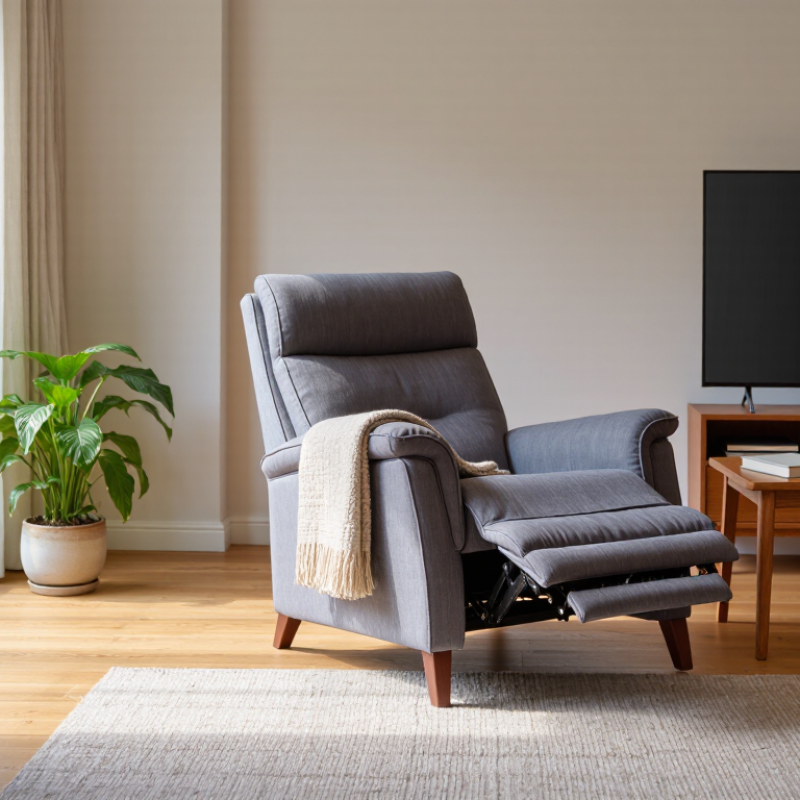
A recliner chair can turn a plain corner into a comfortable place to read, rest, or watch television. But the right choice depends on more than soft cushions. Seat height, depth, arm position, footrest length, and the space needed to recline all affect everyday comfort. A chair that looks inviting in a showroom may feel awkward after an hour at home. Small details matter.
Home comfort is also becoming a practical concern as more people plan to stay in their homes as they age. AARP’s 2021 Home and Community Preferences Survey found that 77% of adults aged 50 and older wanted to remain in their homes long-term. That figure describes a preference, not demand for recliners or proof that one chair suits everyone. Still, it highlights why supportive, usable furniture deserves careful consideration. The best recliner chair should fit the person, the room, and the way the chair will actually be used.
Before comparing manual, power, or lift models, measure the available floor space and check the chair’s dimensions against your own. Try sitting with your back supported and feet resting naturally; notice whether the controls are easy to reach. Very simple checks. Consider upholstery, cleaning needs, entry clearance, and how quietly the mechanism moves. Product specifications help, but they cannot replace a real seating test. Even that test has limits: a few minutes in a store cannot fully predict daily comfort. This guide explains the key features to compare, common trade-offs, and questions worth asking before you buy.
Assess User Needs and Recliner Types Before Comparing Models
Before comparing recliners, identify who will use the chair and how often. A tall person may need a deeper seat and longer leg support, while someone with limited mobility may value simple controls. Consider whether the chair is for reading, resting, or daily assistance. Those uses can call for different features.
Measure the room and the route into it. Check doorways, nearby tables, and the space needed when the footrest opens. A manual recliner uses a lever or body pressure; a power model adjusts with buttons but needs an outlet. Lift chairs assist users when sitting down or standing up. Wall-hugging designs need less clearance behind them, while rocker or swivel styles add movement. Not every option suits every household.
Then compare models within the type that fits your needs. Check seat width, weight capacity, control placement, fabric care, and the feel of the cushions. If possible, sit in the chair and operate it several times. Notice whether your feet rest comfortably and the controls are easy to reach. It is tempting to focus on extra features, but a complicated control panel may be frustrating. A checklist helps, though it cannot replace testing the chair in person.
How to Choose the Best Recliner Chair for Your Home
Assess your needs and recliner types before comparing models.
Example priority ratings for one household, on a 1–5 scale (5 = most important), not survey results. Rate your own needs first: space, help standing, power access, extended lounging, and budget. Then compare manual, power, wall-hugger, and lift recliners against those priorities.
Check Seat Fit with a 90° Knee Bend and Flat-Foot Test
When comparing recliners, test the seat upright before checking its reclining positions. Sit fully back against the cushion, then place both feet flat on the floor. Try it slowly. Your knees should bend close to 90 degrees without pressure behind them. Leave a small gap between the seat edge and the backs of your knees. If the seat is too deep, your back may drift forward; if it is too high, your feet may dangle. Notice where the cushion meets your thighs, not just whether it feels soft.
ANSI/BIFMA’s G1 ergonomic guideline uses an accommodation range from the 5th-percentile female to the 95th-percentile male. That range highlights why one recliner cannot fit every body equally well. OSHA’s computer workstation guidance also recommends keeping feet supported and knees roughly level with the hips—useful principles when assessing an upright seat. These references are not recliner-specific, though, and a quick showroom test can mislead. Try sitting for several minutes, wearing the shoes you use at home. If your feet stay flat but your knees feel strained, reconsider the seat depth or height. A footrest can help, but it should not disguise a poor fit.
How to Choose the Best Recliner Chair for Your Home? - Check Seat Fit with a 90° Knee Bend and Flat-Foot Test
| Fit Check | How to Test It | What a Good Fit Feels Like | Signs the Fit May Be Wrong | What to Compare or Adjust |
|---|---|---|---|---|
| Seat height and knee bend | Sit back against the seat with your feet resting on the floor. Check the angle at your knees. | Your knees are bent comfortably at about 90°, with your thighs roughly level or sloping slightly downward. | Your feet dangle, or your knees sit noticeably higher than your hips. | Compare seat height with your lower-leg length. Try a different seat height or a suitable footrest if needed. |
| Flat-foot contact | While seated upright, place both feet naturally on the floor without stretching or pointing your toes. | The soles of both feet rest fully and comfortably on the floor. | Your heels lift, your toes bear most of your weight, or you must slide forward to reach the floor. | Check the chair’s seat height and your sitting position; avoid relying on a footrest as a substitute for stable upright seating. |
| Seat depth | Sit with your back against the backrest and measure the space behind your knees. | There is a small gap—often around 2–3 fingers—between the seat edge and the backs of your knees. | The seat edge presses into your knees, or the seat is so deep that your back cannot reach the backrest comfortably. | Compare seat depth with the length of your thighs; consider a shallower seat or a supportive cushion if appropriate. |
| Seat width | Sit in your usual clothing with your arms relaxed at your sides. | Your hips fit without pressure, with a little room on each side, while you can still sit back securely. | The sides press against your hips, or the seat is so wide that you feel unsupported when seated. | Compare usable seat width with your body width and consider whether the armrests provide comfortable support. |
| Backrest and lumbar support | Sit fully back and relax your shoulders. Notice whether the backrest supports your lower and upper back. | Your back feels supported without needing to lean forward or hold an awkward posture. | A large gap remains behind your lower back, or the backrest pushes your head or shoulders forward. | Check backrest shape and height; test any adjustable headrest or lumbar support in your normal sitting position. |
| Armrest position | Rest your arms naturally with your shoulders relaxed. | Your forearms are supported without shrugging your shoulders or leaning to either side. | The armrests feel too high, too low, or too far apart for a relaxed position. | Compare armrest height and spacing, especially if you plan to use the chair for reading or resting. |
| Reclined position | Try each recline position and check whether your body remains supported as the chair moves. | Your back and legs feel supported, and you can change position without sliding or feeling unstable. | Your lower back loses support, your feet feel unsupported, or the chair rocks or moves unexpectedly. | Test the full recline range and footrest together; confirm the chair operates smoothly and fits the intended space. |
| Room and clearance | Measure the chair’s footprint in both upright and fully reclined positions. | The chair can recline without blocking walkways, doors, or nearby furniture. | The back or footrest could strike a wall or furniture, or the chair obstructs a clear route through the room. | Check the manufacturer’s required wall clearance and allow space for safe entry, exit, and operation. |
Measure Room Layout and Confirm the Maker’s Recline-Clearance Specifications
Measure the room before comparing recliners. The U.S. Census Bureau reported an average floor area of 2,286 square feet for new single-family homes completed in 2023, but that figure says little about your living room. A doorway, radiator, or low window can limit placement. Sketch the room, then mark the chair’s full footprint with painter’s tape.
Ask the maker for the chair’s open length and required wall clearance. Do not rely on the closed dimensions or assume every wall-hugging model needs the same gap.
Check the actual spot. Leave room for the footrest, a side table, and a person passing without turning sideways. Measure doorways and hall turns too, since delivery clearance is easy to overlook. A tape outline helps, but it cannot show every snag. Rugs and charging cords may still shift the usable space.
If the maker’s clearance figure is unclear, request a written measurement before ordering.
Compare Upholstery Labels: California TB 117-2013 Tests Smolder Resistance
When comparing recliners, check the upholstery label for California TB 117-2013 information. This standard tests upholstered furniture materials for resistance to smoldering ignition. The label can help you understand how the chair’s materials performed under specified test conditions. It does not mean the recliner is fireproof or safe from every flame. That distinction matters. Look for the tag beneath a seat cushion or on the chair’s frame, and ask the seller if its wording is unclear.
A label is useful, but it should not decide your purchase alone. Check whether the chair’s cover, filling, and other listed materials match the information provided. Then consider how the upholstery may handle daily use, spills, pets, and sunlight. A pale fabric can show marks quickly. I might still choose it, but only after thinking about the cleaning routine. If the tag is missing or hard to read, request product documentation before buying. Small details are easy to overlook when a recliner feels comfortable in a showroom.
Verify Powered-Recliner Electrical Safety and the Manufacturer’s Rated Load
A powered recliner should feel comfortable, but its electrical setup deserves equal attention. Check the power cord for crushed insulation, loose plugs, or sharp bends, especially where it passes behind the chair. Keep cords clear of the moving frame and footrest. Pinching can damage insulation. Use the outlet and connection method specified in the manual; avoid overloaded power strips. If the plug, cord, or controls feel unusually warm, or you notice sparks or a burning smell, stop using the chair and contact a qualified repair professional. I used to focus mostly on upholstery and comfort. That was an incomplete way to shop.
Check the manufacturer’s rated load before buying, and make sure it suits the person who will use the chair. Do not estimate from appearance. The rating is a limit, not a comfort target, and it may differ from the weight the chair can safely support during movement. Read the manual for any conditions on reclining, assembly, or use on uneven floors. Leave clear space around the chair so it does not press against a wall or trap a cable as it opens. A few minutes spent checking the rating and wiring can prevent an expensive mistake. Manuals can be easy to skim past. Read the safety details anyway.
Related Posts
-
How to Choose the Best Recliner Chair for Your Health and Comfort Needs
-
How to Choose the Perfect Bed Frames for Your Home and Business
-
7 Unbelievable Reasons to Choose the Best Chaise Lounge for Your Home
-
Maximizing Value with Best Bedroom Furniture Sets through Exceptional After Sales Support and Cost Effective Repairs
-

Why Choose a Corner Sofa for Your Home?
-
How to Choose the Perfect Leather Sofa for Your Home Style and Comfort Needs

